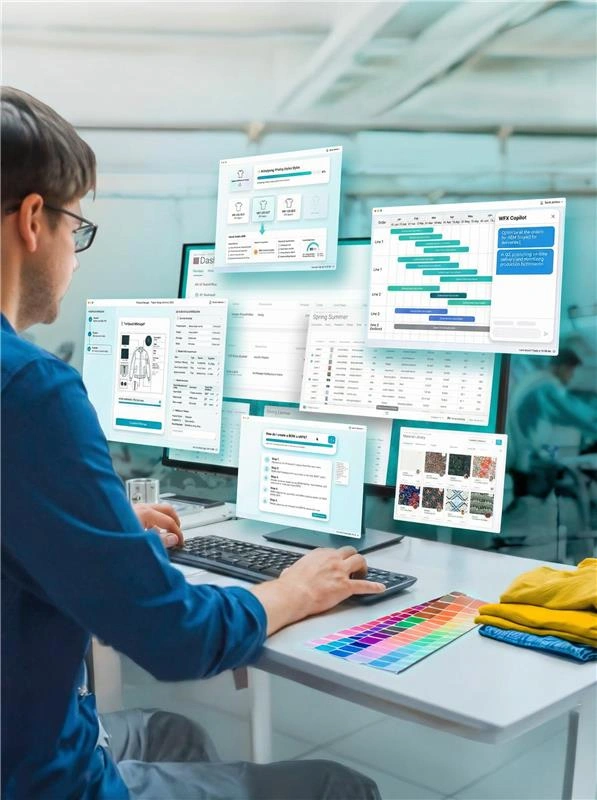









Making Fashion Operations
Smarter with AI
Explore AI features in WFX ERP and PLM that reduce manual work, speed up daily tasks, and help teams make better decisions.

Smarter with AI
Explore AI features in WFX ERP and PLM that reduce manual work, speed up daily tasks, and help teams make better decisions.

Trusted by Leading Global Fashion Brands and Manufacturers
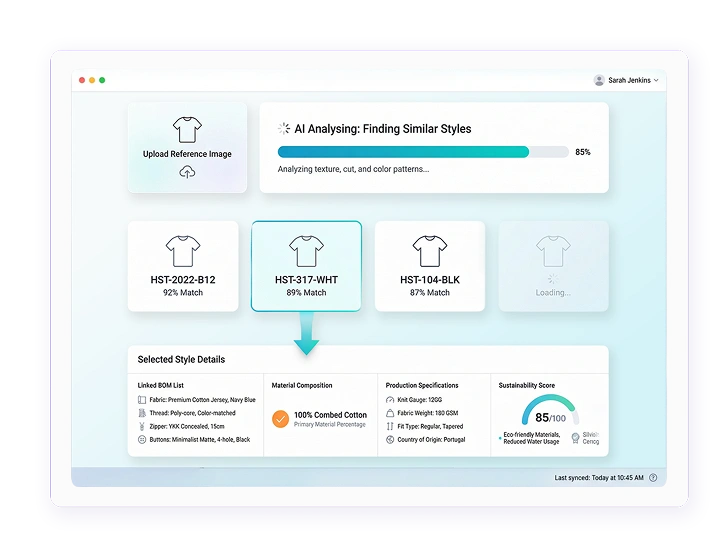
Upload a reference image and instantly surface similar styles from your historical catalogue.
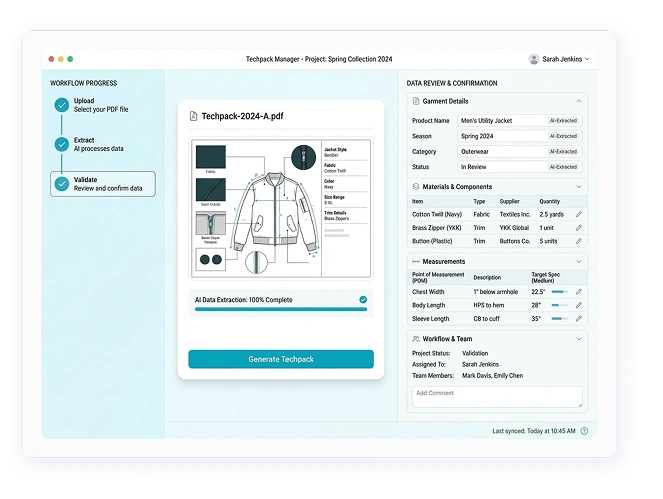
Upload any techpack PDF and let WFX AI extract, structure, validate, and sync product data directly into your ERP system, in minutes.
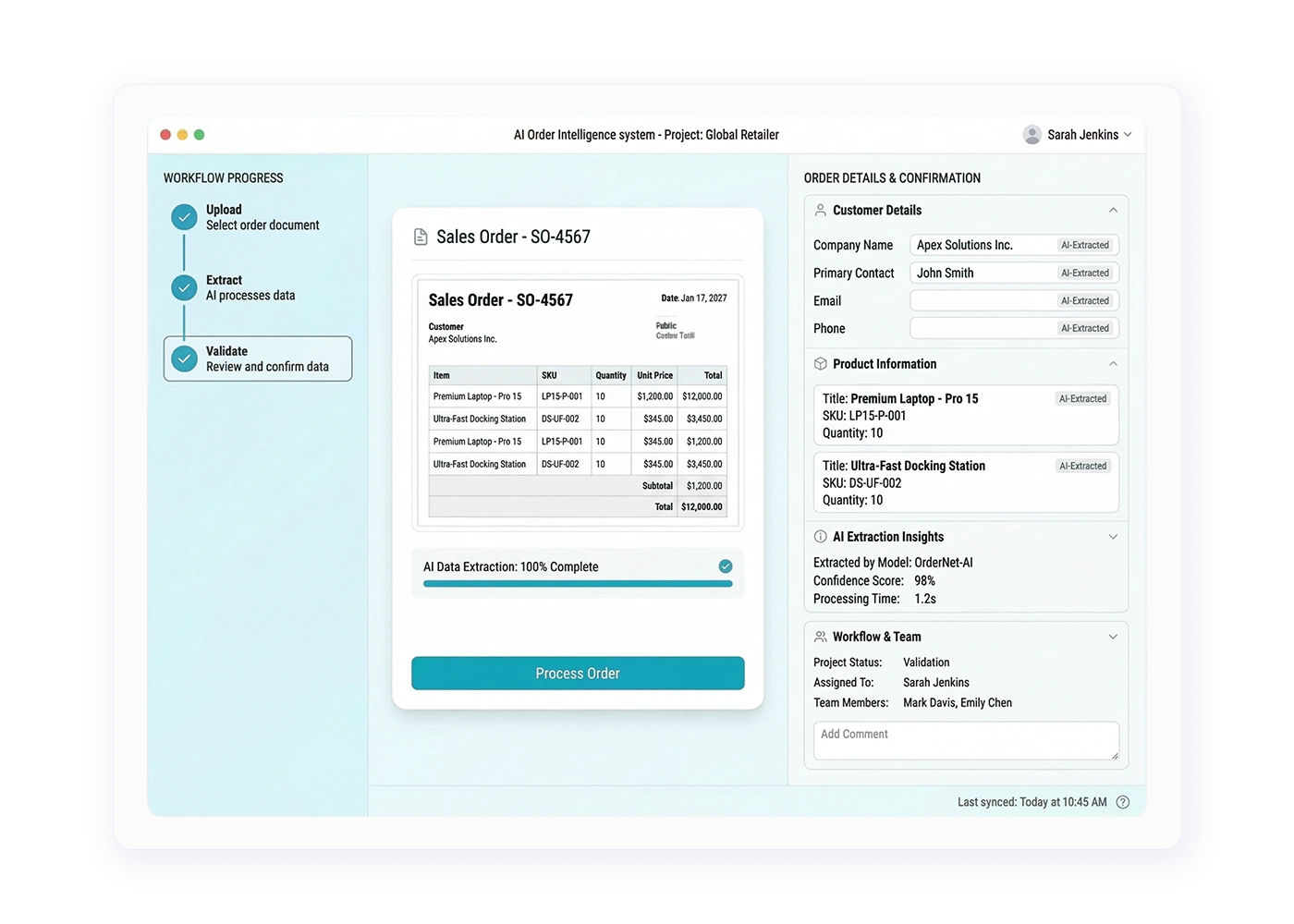
Upload an order document and AI captures key details while validating pricing and delivery timelines.
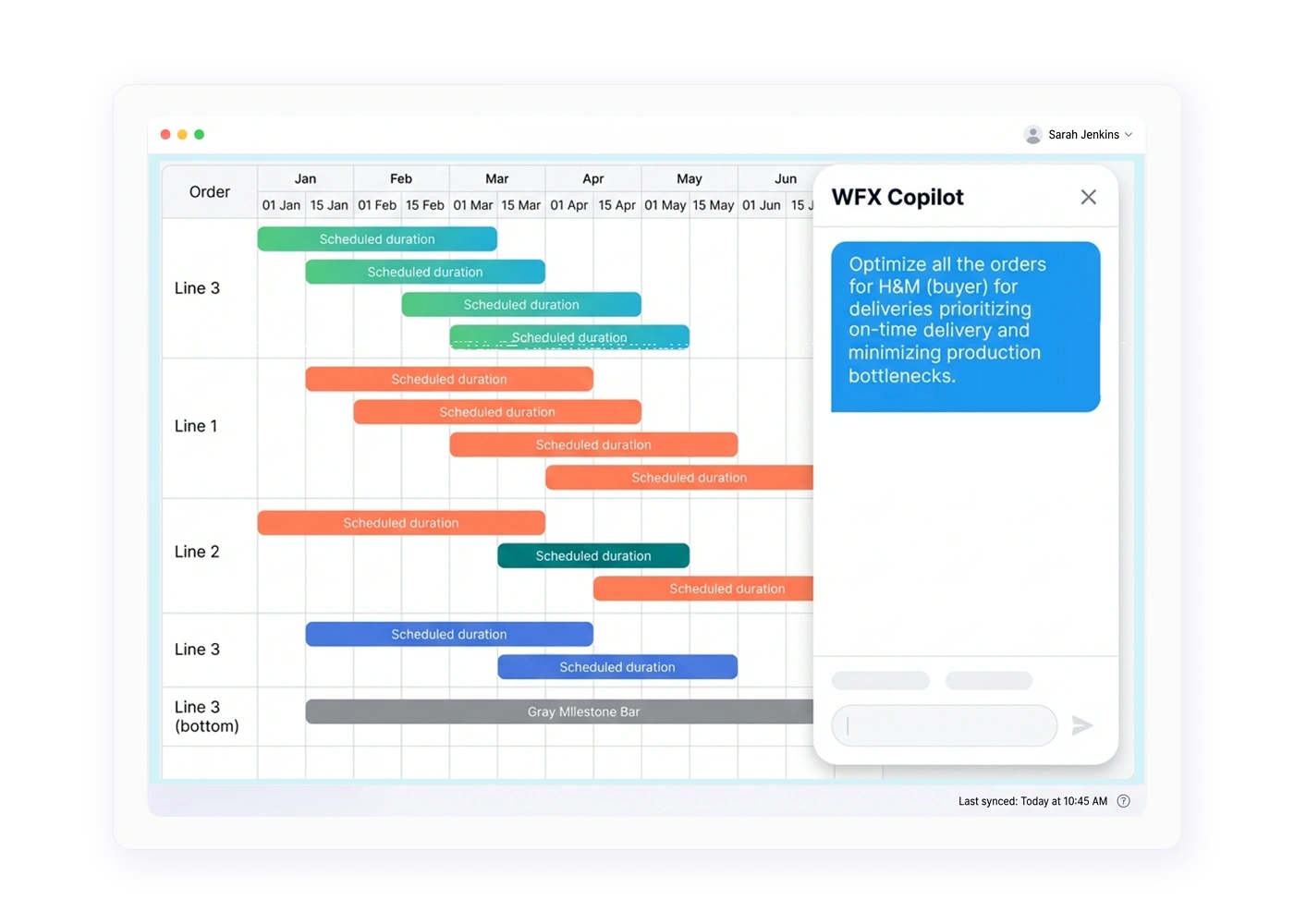
Give WFX AI Planner your priority, and it instantly generates optimized production scenarios, helping you make faster, data-backed planning decisions.
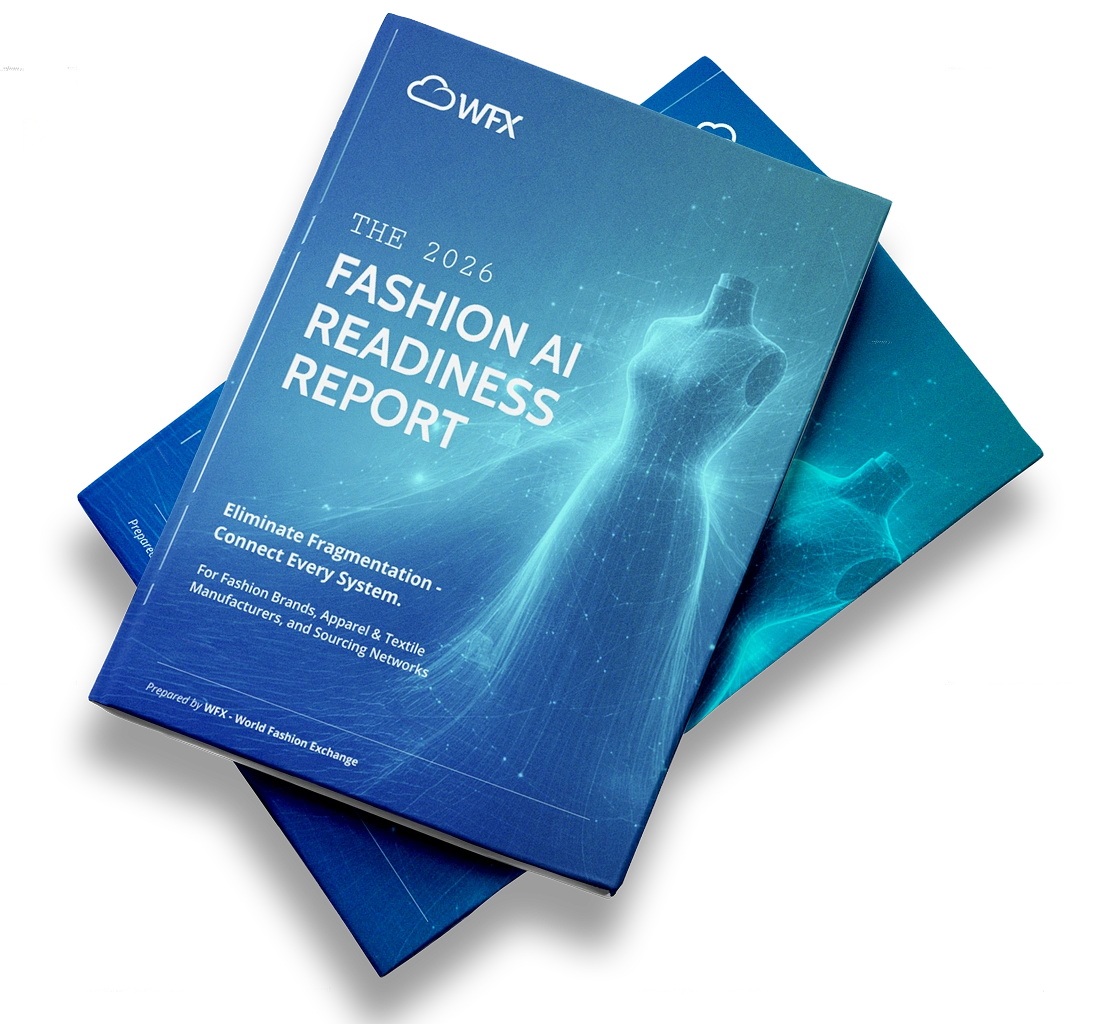
The 2026 Fashion AI Readiness Report explains why most fashion brands and apparel manufacturers are not prepared for AI, and what foundations are required to make it work.
AI-powered enhancements within WFX ERP and PLM, designed for modern fashion businesses managing increasing product complexity and operational scale.
Accelerating design, development, and collection launches while improving collaboration and visibility
Optimizing production planning, managing buyer priorities, and reducing manual data errors
Streamlining material data management and improving coordination across development and production
Driving speed, agility, cost control, and margin clarity across the value chain
AI is changing how the fashion industry works. It helps brands spot trends, forecast demand, and make better choices. Designers use it to create products, it handles repetitive tasks, and it makes supply chain planning better. This allows fashion companies to work smarter and get the right products to customers more .
AI connects PLM and ERP in the fashion industry by automatically converting design and product development data into operational data. It extracts information from techpacks, images, and documents, then syncs BOMs, materials, costing, and measurements into ERP for production planning, order processing, and inventory management, reducing manual work and errors.
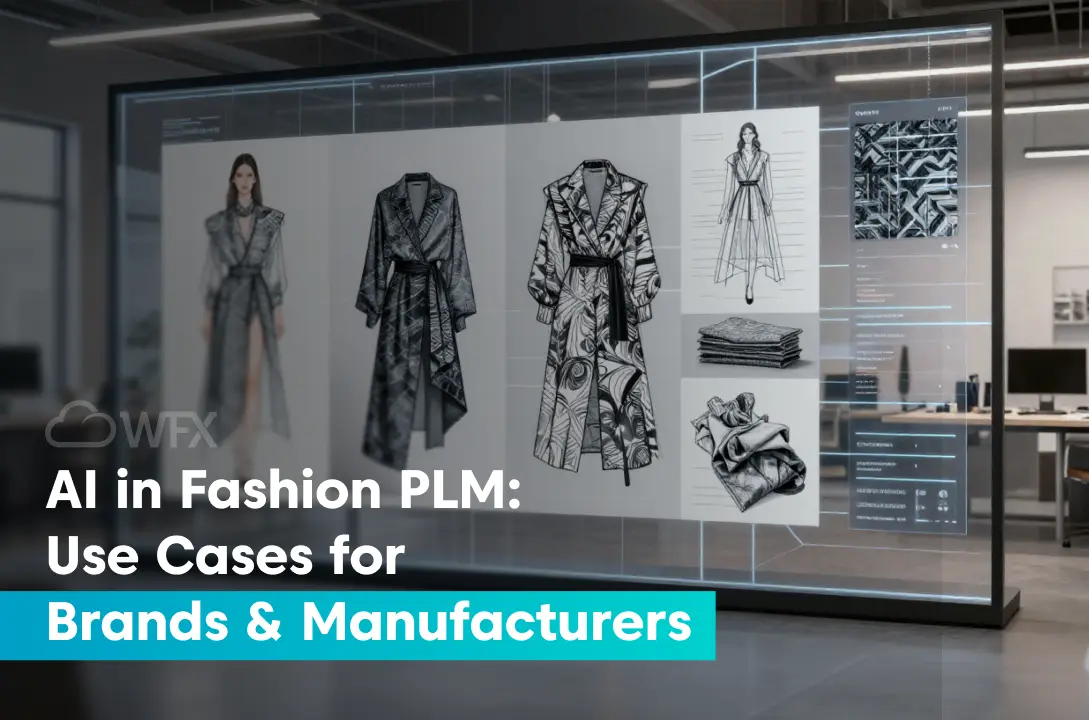
AI helps with product development in Fashion PLM by studying data, handling repetitive work, and offering insights to support teams in making smarter choices. It provides ideas for better designs, monitors product changes, foresees possible problems, and makes teamwork easier. This allows fashion brands to create products quicker and operate more .
AI is a key component in fashion ERP systems because it enables fashion brands to operate their businesses in a much more efficient manner. AI uses business data to make predictions and enable fashion companies to make better decisions in a much faster manner.
Fashion brands use AI in PLM and ERP systems to work faster and make smarter choices. AI helps simplify repeated tasks, reduce mistakes made by people, and find useful patterns in large amounts of data. Teams manage product development, plan production, track inventory, and respond to market shifts faster and more .
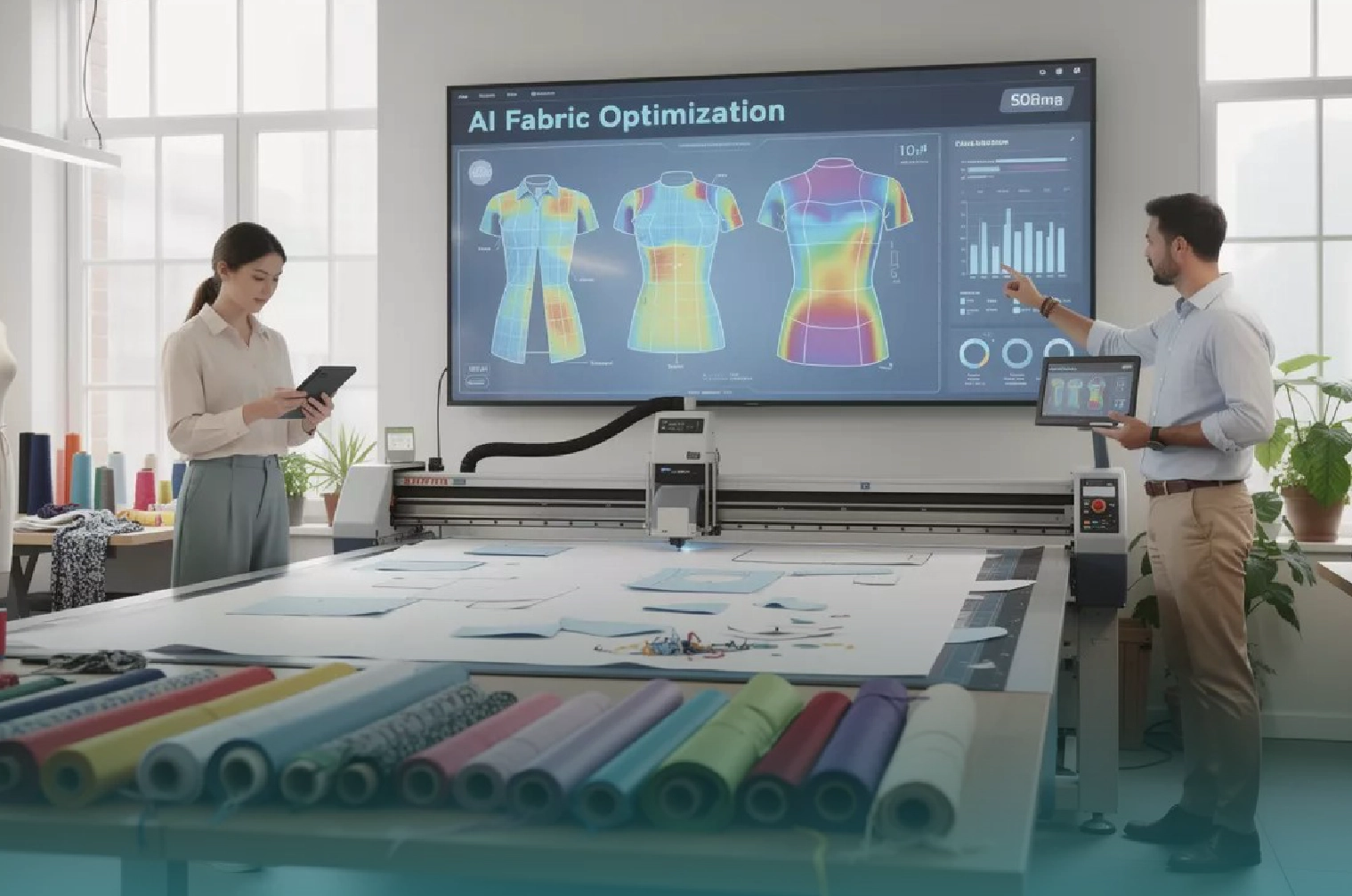
AI assists apparel manufacturers in boosting production efficiency by studying data and spotting problems . It helps them plan production smarter, use resources more , and simplify processes. This lowers mistakes, cuts down waste, and speeds up garment production without sacrificing quality.
Fashion companies require an AI solution that is easy to use, extendable, and fashion-focused. The solution should also address product information, facilitate business processes, offer real-time analytics, and assist in team management. The solution should also be able to integrate well with the existing infrastructure.