1. WFX PLM
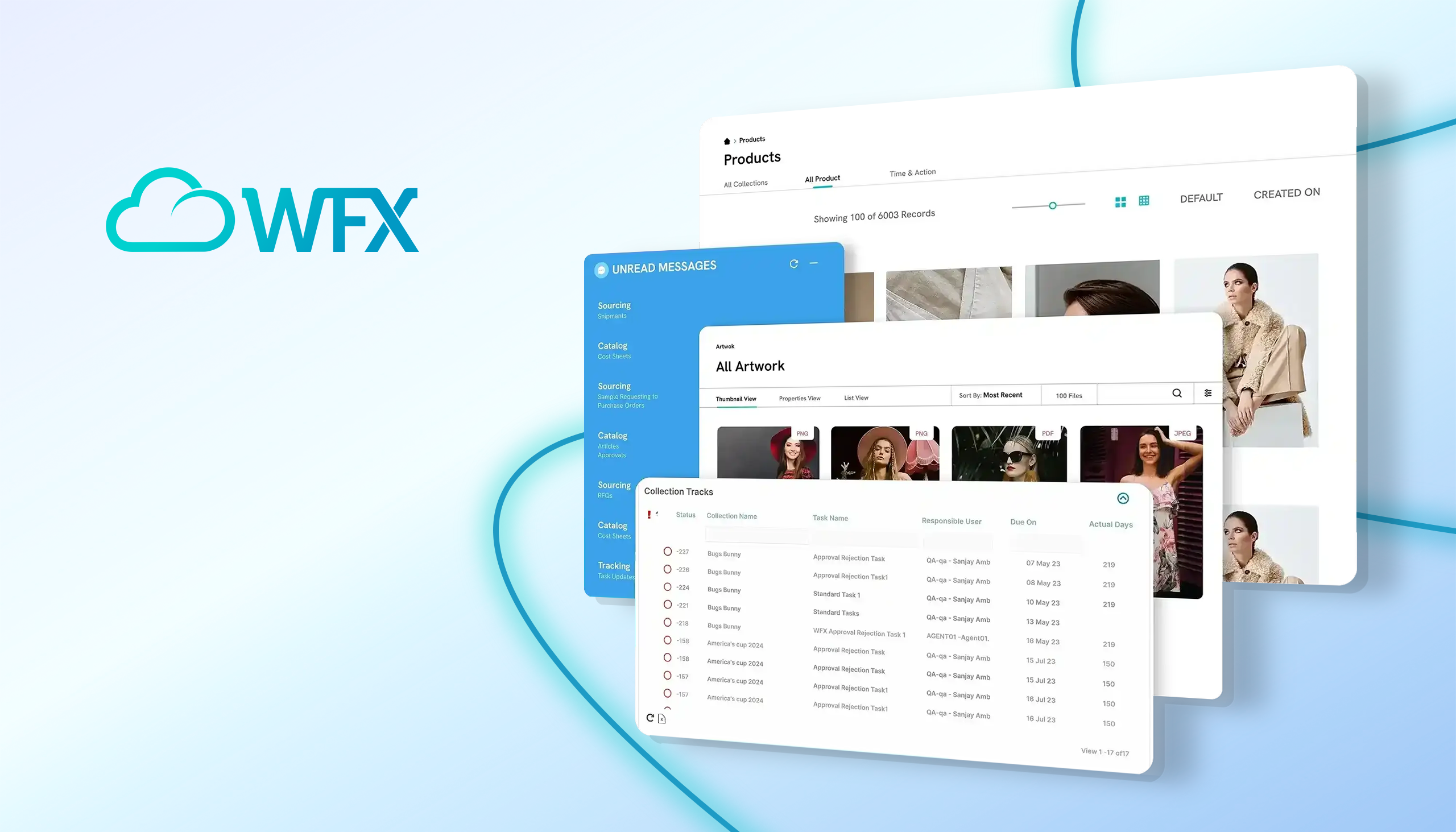
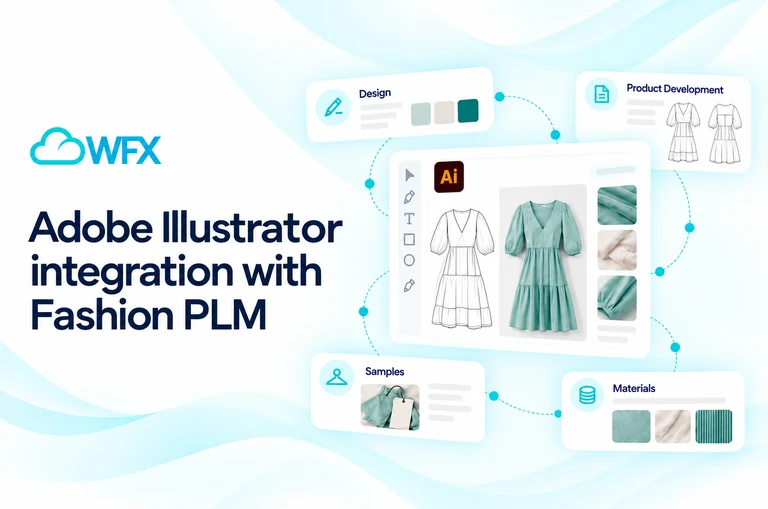
WFX has been building cloud software for fashion since 2000. WFX Fashion PLM is made for the way apparel, footwear, accessories and home goods teams develop products. Collections, materials, tech packs, costs, samples and approvals stay together, so teams do not have to piece together product information from spreadsheets, emails and separate systems.
Work in WFX is divided into four familiar stages: Plan, Design, Develop and Source. When a material, cost, sample or approval changes, everyone involved can see the update in the same product record.
What are the key capabilities of WFX Fashion PLM?
- Visual collection and line planning
- Centralized product and material libraries
- Digital tech packs with measurement sheets, auto-grading and tolerances
- Live product costing and margin calculations
- Digital sampling, comments and approvals
- Critical path tracking with milestone alerts
- Vendor collaboration across tech packs, costing, samples, orders and shipments
- Fashion-specific AI for finding previous styles, creating moodboards and design concepts, creating tech packs from PDF specs and searching for visually similar products
- Integrations with Adobe Illustrator, NetSuite, CLO 3D and Magento
Who is WFX Fashion PLM best for?
WFX Fashion PLM works best for mid-market and enterprise fashion brands with several collections, product categories, teams and suppliers to coordinate. It brings planning, product development, costing, sampling, approvals and sourcing into one platform. Smaller teams that mainly need to create tech packs may find the full platform more than they need.
How long does WFX Fashion PLM implementation take?
WFX Fashion PLM can be rolled out within 8 to 12 weeks, depending on the workflows, integrations and data involved. The WFX team manages configuration, data migration and user training as part of the implementation.
What results have fashion businesses achieved with WFX?
In WFX’s published customer story, Benetton India reported a 35% decrease in product lead time and a 90% reduction in communication overhead after implementing WFX. These results reflect Benetton India’s implementation and may vary depending on each company’s workflows and rollout scope.
2. Centric PLM
Centric brings product development, planning, pricing, inventory and market intelligence together in one software portfolio for fashion, apparel, footwear, luxury and other consumer-product businesses. See Centric’s fashion and apparel solutions for the full portfolio.
If your team manages a complex product range, ask Centric to walk you through your approval process and show how the platform can support the way your teams work. It is also worth discussing the level of configuration, training and internal support the rollout would require.
Key features:
- Workflows that teams can configure to fit their processes
- BOM and product data management
- Insights into markets, consumers and product performance
- Collection and assortment planning
- Support for product creation, sourcing, pricing and inventory
Best for: Fashion, footwear and luxury businesses with complex product ranges and cross-functional teams.
For a closer comparison, see our WFX PLM vs Centric PLM guide.
3. CGS BlueCherry PLM
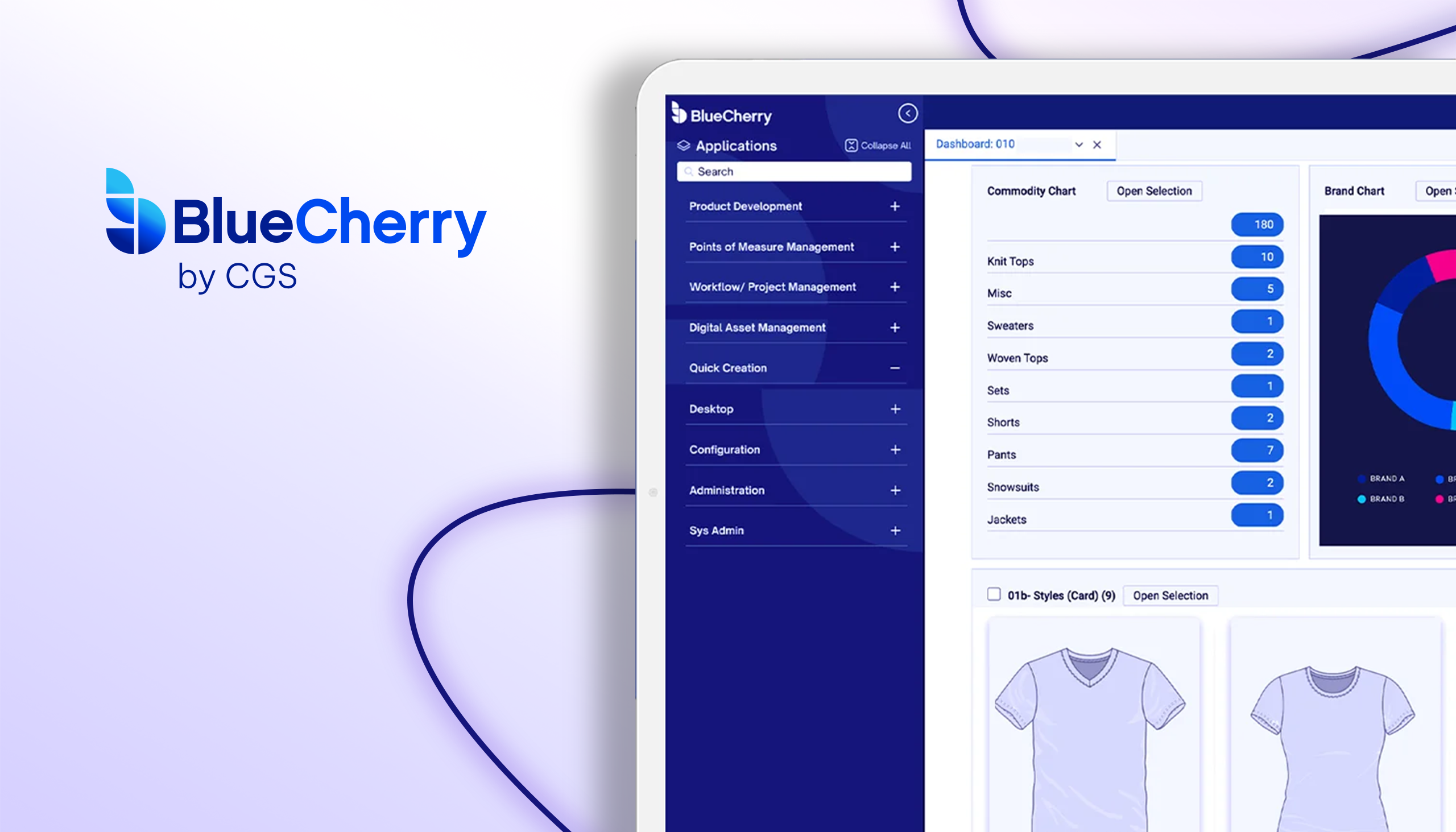
BlueCherry combines PLM and ERP capabilities in a broader supply chain platform for fashion, footwear and consumer-product companies. It is designed for businesses that want product development and operational work managed within the same environment. See BlueCherry’s solution suite for the full list of modules.
This model is most useful when product and operations teams need the same information in one place. Before moving forward, list the modules your teams would actually use, understand how PLM would work with your current ERP setup, and ask the vendor to explain the implementation effort and costs. If your need is limited to design or PLM, you may not require the full suite.
Key features:
- PLM and ERP in one platform
- Shared product and supply chain data
- BOM, product data and digital asset management
- Analytics and reporting
- Manufacturing and shop-floor workflows
Best for: Fashion, footwear and consumer-product companies that want product development and operations managed within one supply chain environment.
For a closer comparison, see our WFX PLM vs CGS BlueCherry PLM guide.
4. Lectra Fashion PLM
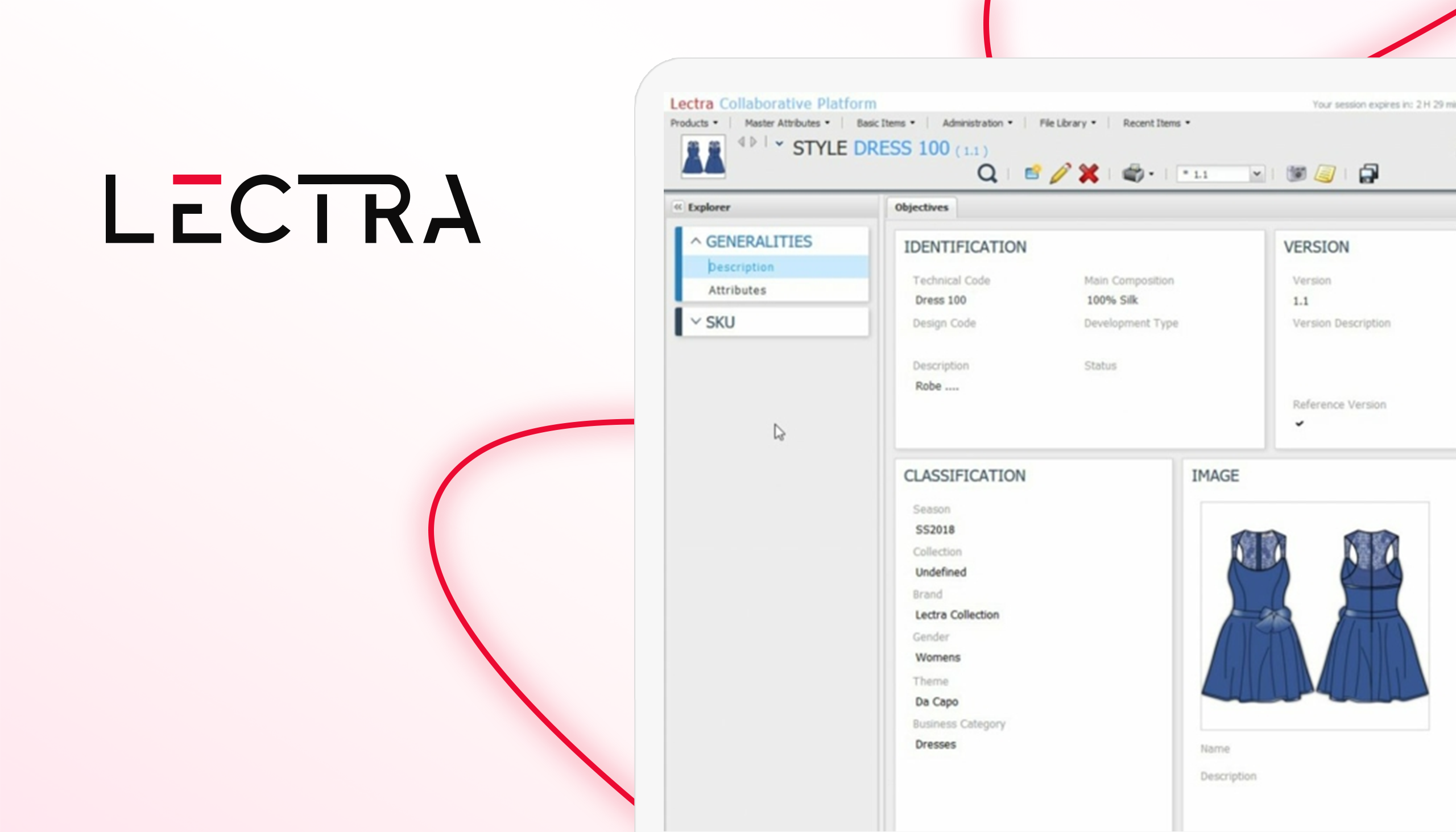
Kubix Link is Lectra’s cloud-native fashion PLM, supported by more than five decades of industry experience. It combines PLM with product information management (PIM) and digital asset management (DAM), giving teams one place to manage product information from concept through retail and e-commerce.
This connected product record can help teams keep information consistent across channels and languages. If your teams operate across multiple countries, confirm the languages, implementation coverage and support arrangements available in each location.
Key features:
- PLM, PIM and DAM in one platform
- Product information management from design through retail and e-commerce
- Digital tech packs and change tracking
- Supplier data collection through Kubix Forms
- Carbon footprint, traceability and Digital Product Passport support
- Runs on Microsoft Azure and holds SOC 2 Type II certification
Best for: Retailers and larger brands that need consistent product data across multiple channels.
For a closer comparison, see our WFX PLM vs Lectra Kubix Link guide.
5. AIMS360 Fashion PLM
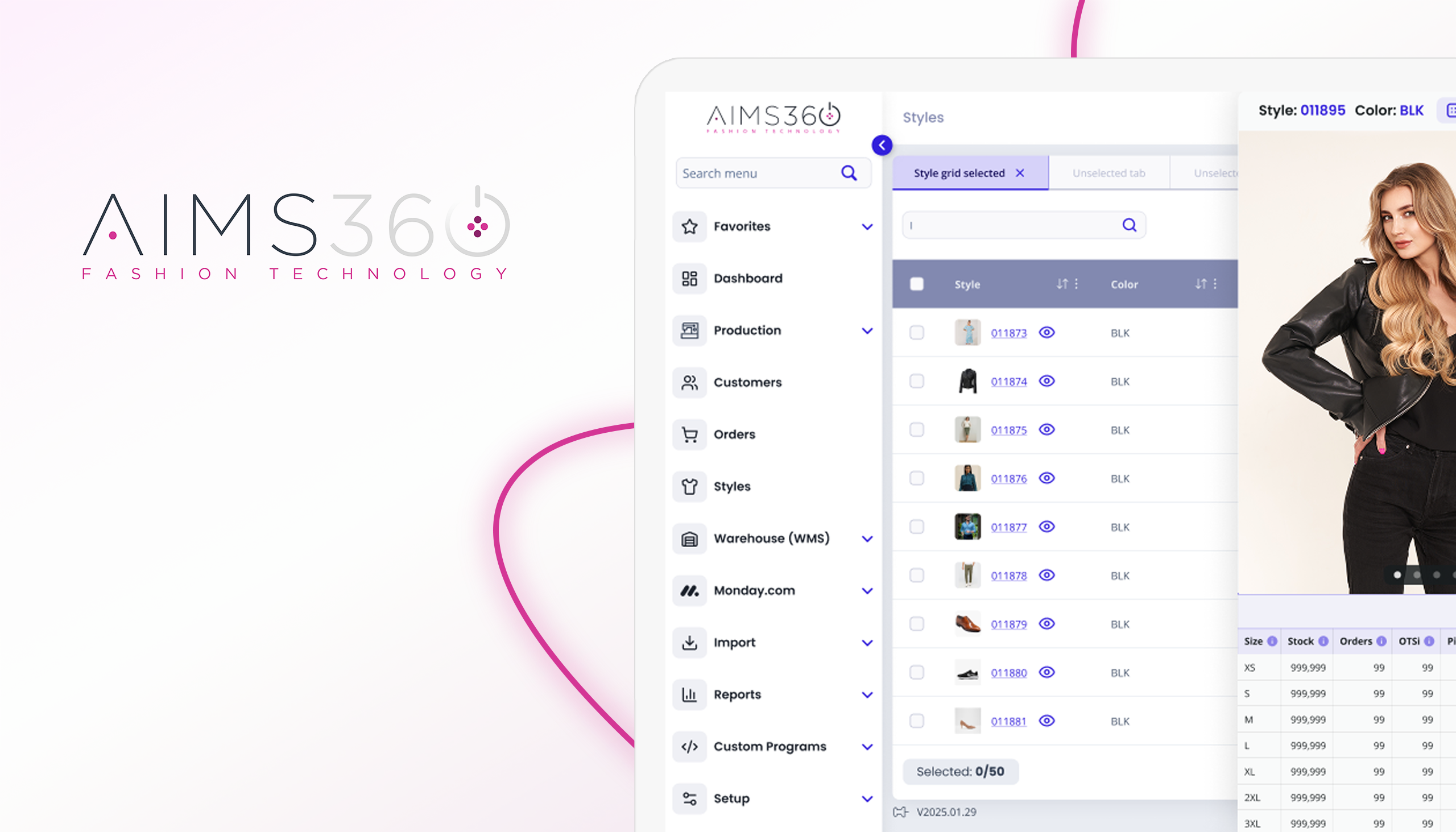
AIMS360 is, first and foremost, an apparel ERP. It also includes PLM, giving wholesale and direct-to-consumer teams one place to manage orders, inventory, warehouse work, accounting, production and product records.
Material tracking, production management and costing are among its documented capabilities. In a demonstration, bring a real tech pack, an approval example and a design workflow. You will quickly see whether the built-in PLM is enough for your process. If it is not, ask how a separate PLM system would connect.
Key features:
- ERP with PLM for apparel
- Fabric-roll, trim and material-use tracking
- Production and costing tools
- Garment-dye weight reconciliation
- Footwear carton and size-run management
- EDI, open API and ready-made integrations
Best for: Teams that want their apparel ERP to handle product-development work too, without adding a separate PLM system.
6. Infor PLM
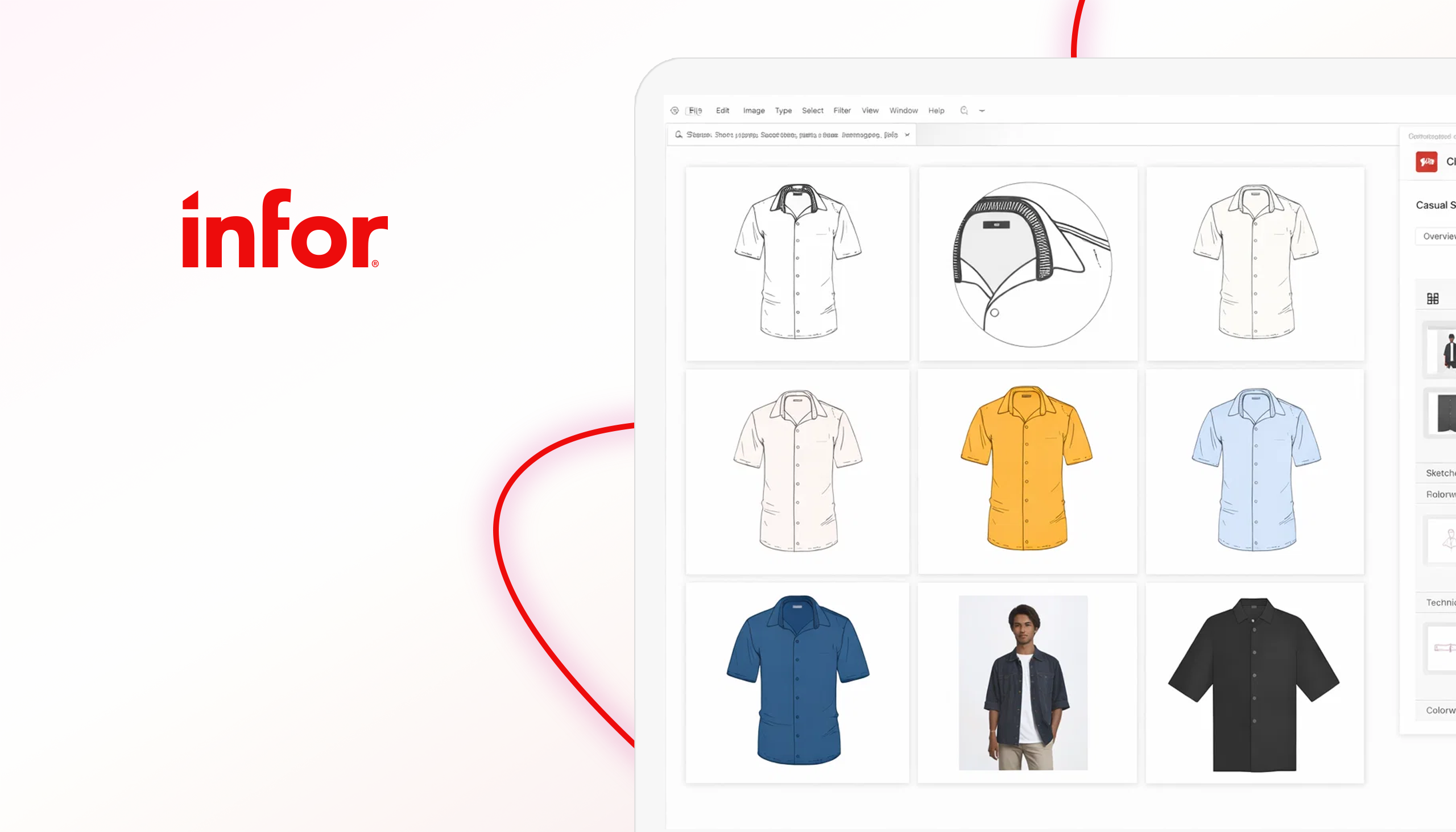
Infor PLM for Fashion gives apparel and footwear teams one place to manage product work from the first design through sourcing and production. Creative, technical and commercial teams can work with the same product information, including collections, materials, trims, BOMs and technical specifications. The platform also exchanges design data with Adobe Illustrator and connects with Infor and other business systems.
If you already use Infor, ask to see how a style’s data would pass from PLM to your existing systems. Pick something from your own collection and work through an approval or design change during the demo. Then discuss the rollout: what data needs moving, who will handle the integrations and how staff will be trained. Agree on the costs and each team’s responsibilities before committing.
Key features:
- Product workflows from design through production
- Collection, material, trim and BOM management
- Development calendars and workflow automation
- Bi-directional Adobe Illustrator integration
- Central storage for product images, files and reports
- Connections with Infor and third-party systems
Best for: Fashion and apparel businesses that want product work to move from design to sourcing and production in a connected system, particularly those already using Infor.
For a closer comparison, see our WFX PLM vs Infor PLM for Fashion guide.
7. Bamboo Rose (TotalPLM)
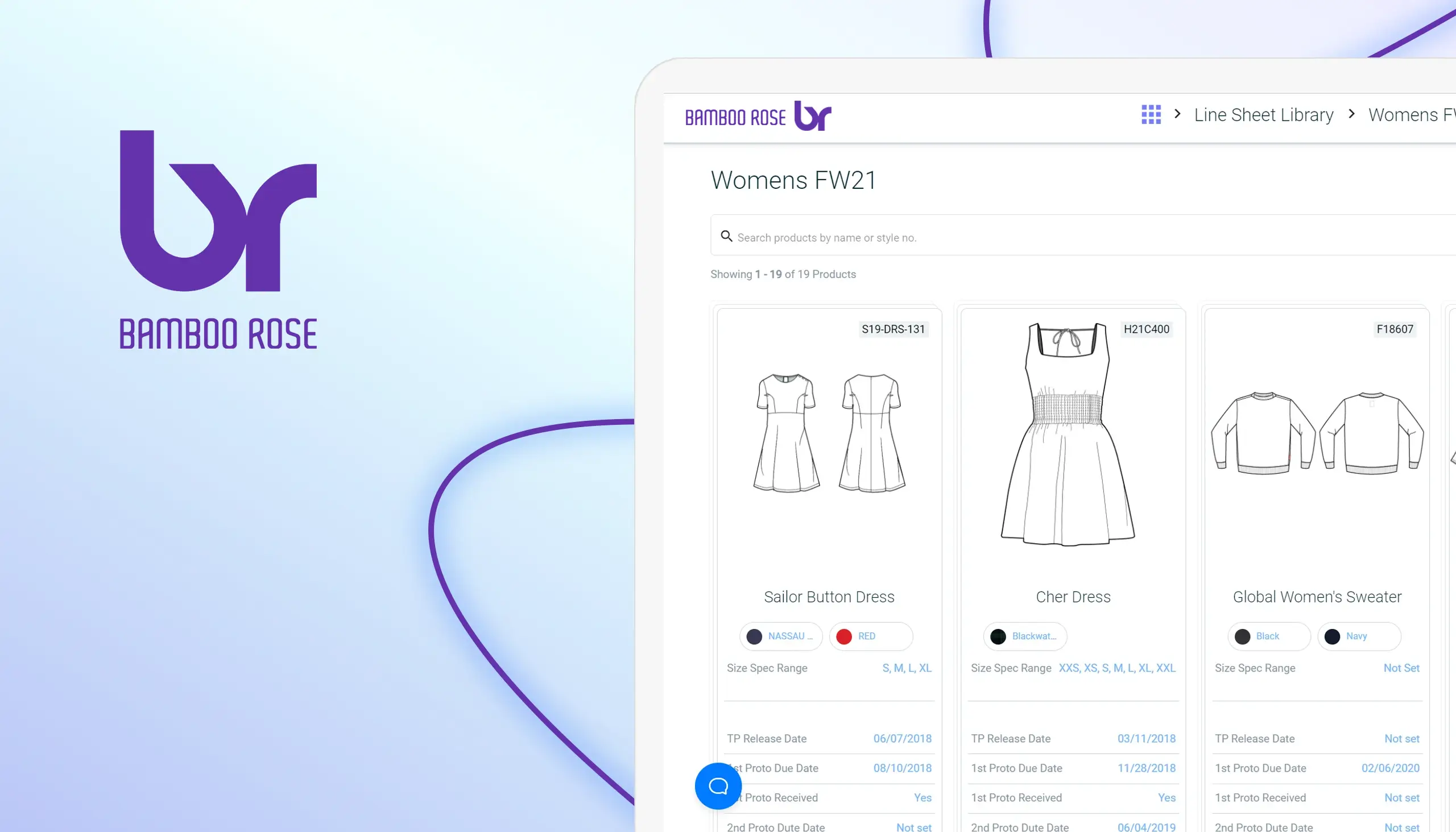
Bamboo Rose TotalPLM connects product development with retail planning, supplier management, sourcing, purchase orders and global trade management. It is worth considering when a fashion business needs these activities to work together across teams and suppliers.
Brands researching Backbone should note the current product direction. As of September 2026, Bamboo Rose states that Backbone PLM remains supported for existing customers and directs organizations evaluating a new platform toward TotalPLM.
Key features:
- Retail planning and merchandising
- Visual collaboration and product development
- Supplier relationship management and sourcing
- Purchase order and global trade management
- Decision Intelligence across TotalPLM
Best for: Retailers and brands evaluating connected product development, planning and sourcing workflows. Confirm the required modules, integrations, implementation scope and pricing directly with Bamboo Rose.
For a closer comparison, see our WFX PLM vs Bamboo Rose TotalPLM guide.
 AI Solutions
 Contact Us