1. WFX – World Fashion Exchange
Best for: Brands, Manufacturers & Sourcing companies who prioritize speed and sustainability
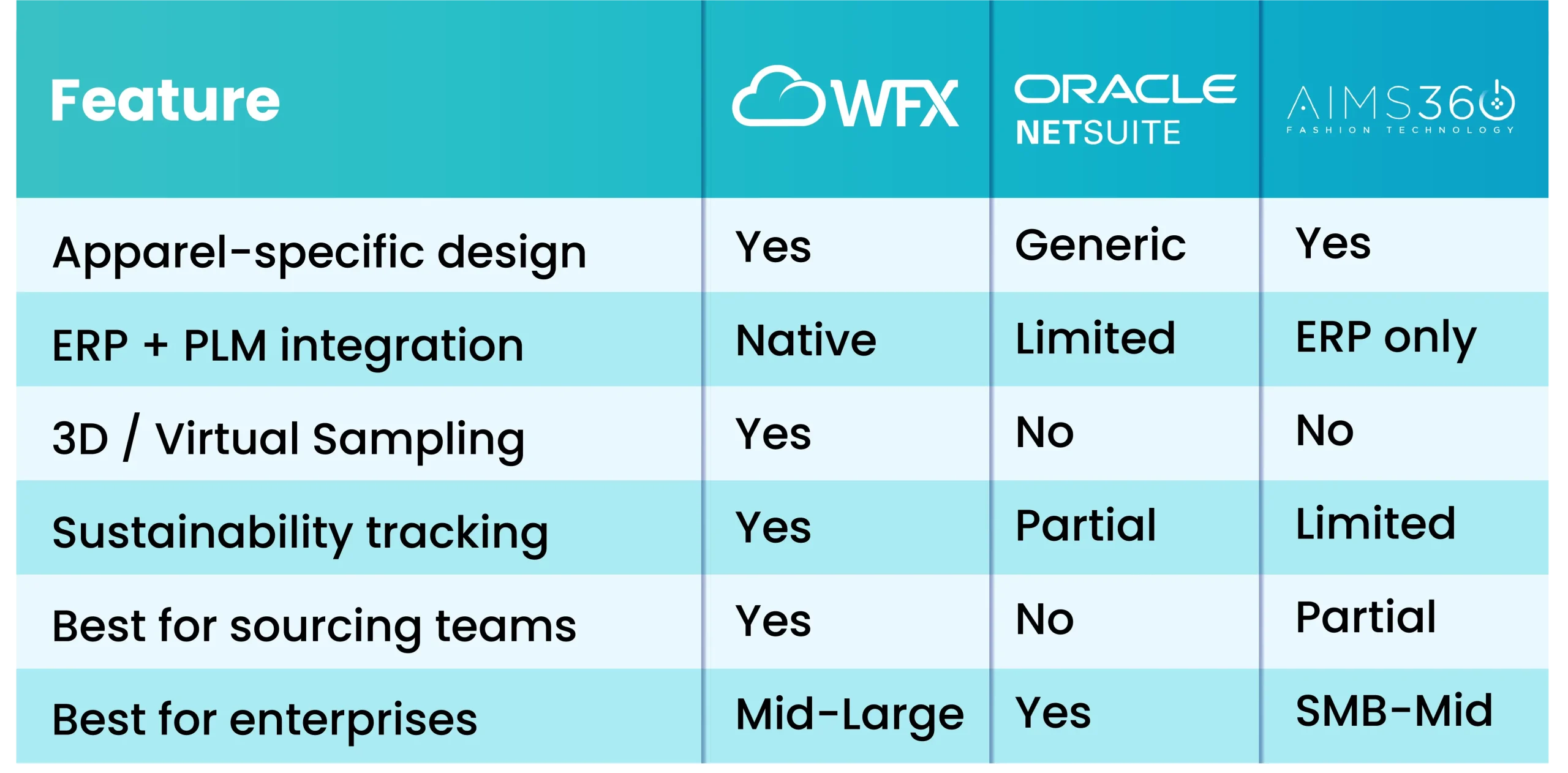
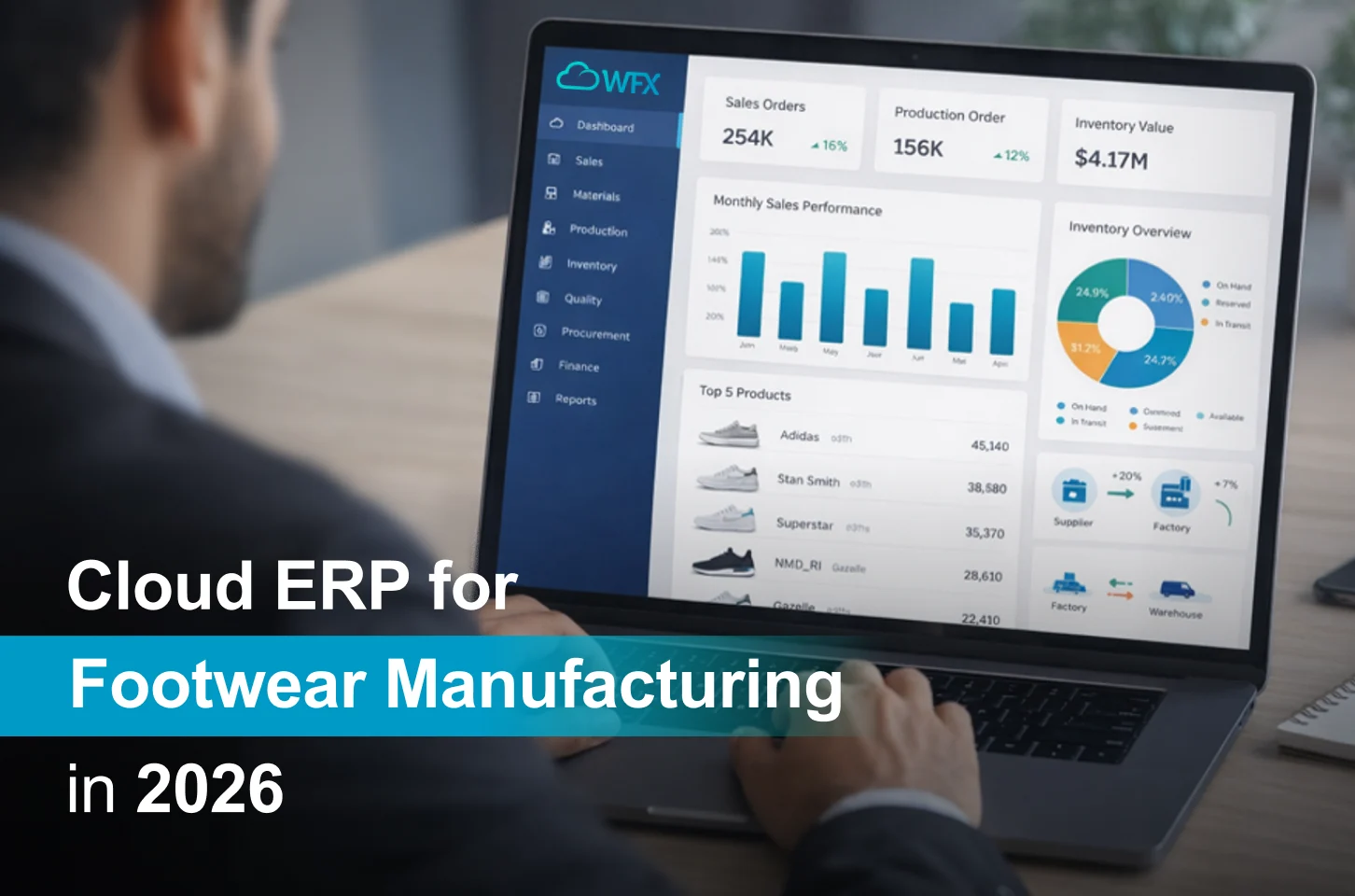
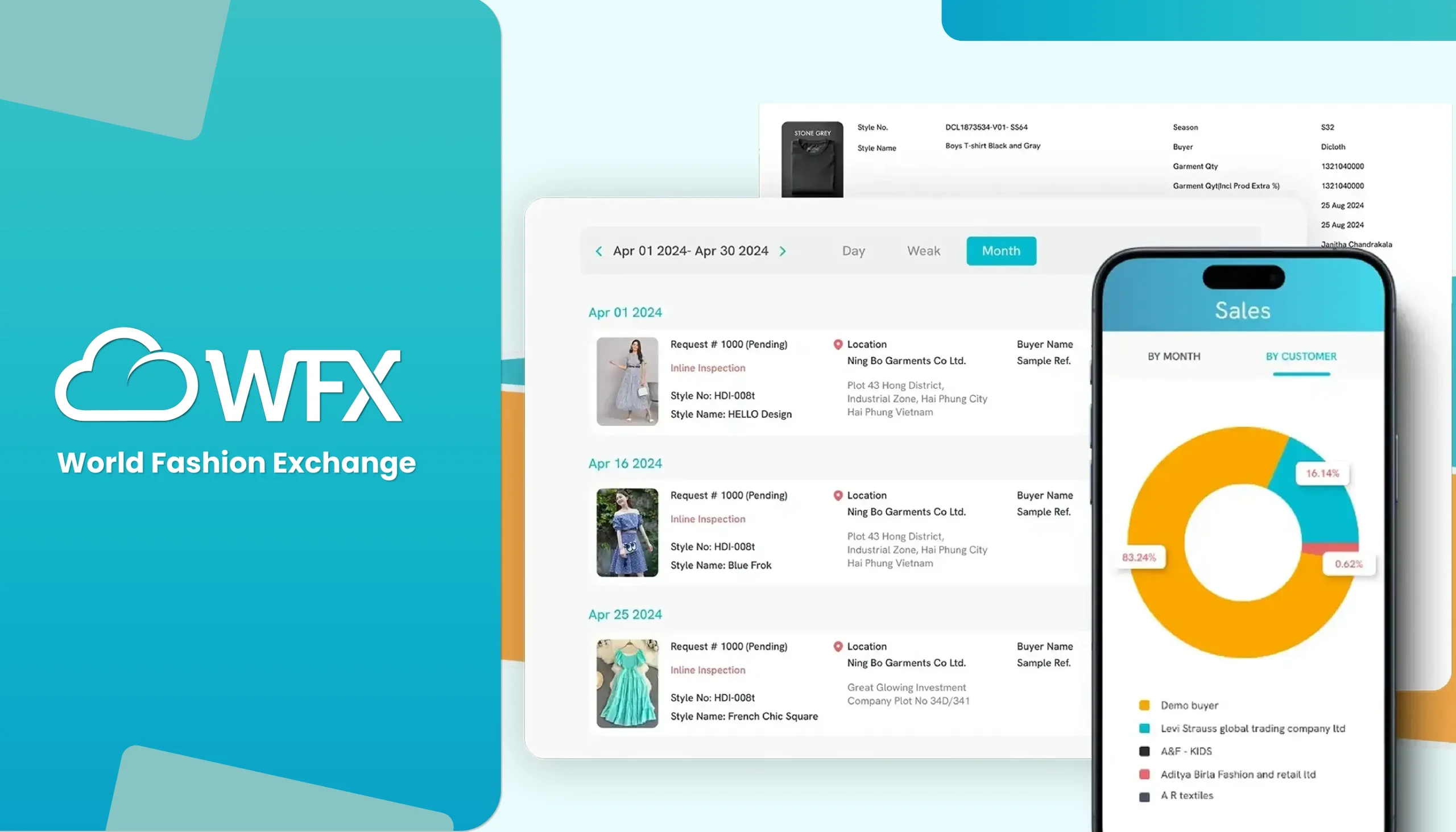
WFX (World Fashion Exchange) is the next-generation fashion-native ERP + PLM platform built for the global apparel supply chain. WFX connects creative wearables teams with one of the most forward-looking Apparel ERP solutions. It consolidates, in a single system, the design, sourcing, costing, and production processes, all driven by sustainability.
Key Features
- Integrated ERP + PLM
- 3D modeling and virtual sampling during Digital product development
- Manage your styles, seasons, colors & sizes
- Vendor & factory collaboration
- Costing, order management, and production monitoring
- Sustainability and compliance visibility
Why WFX Matters in 2026?
Fashion labels are feeling pressure to minimize product waste and speed up development timelines. WFX means digital-first workflows are possible, fewer physical samples, and less fragmented communication.
2. Oracle NetSuite ERP
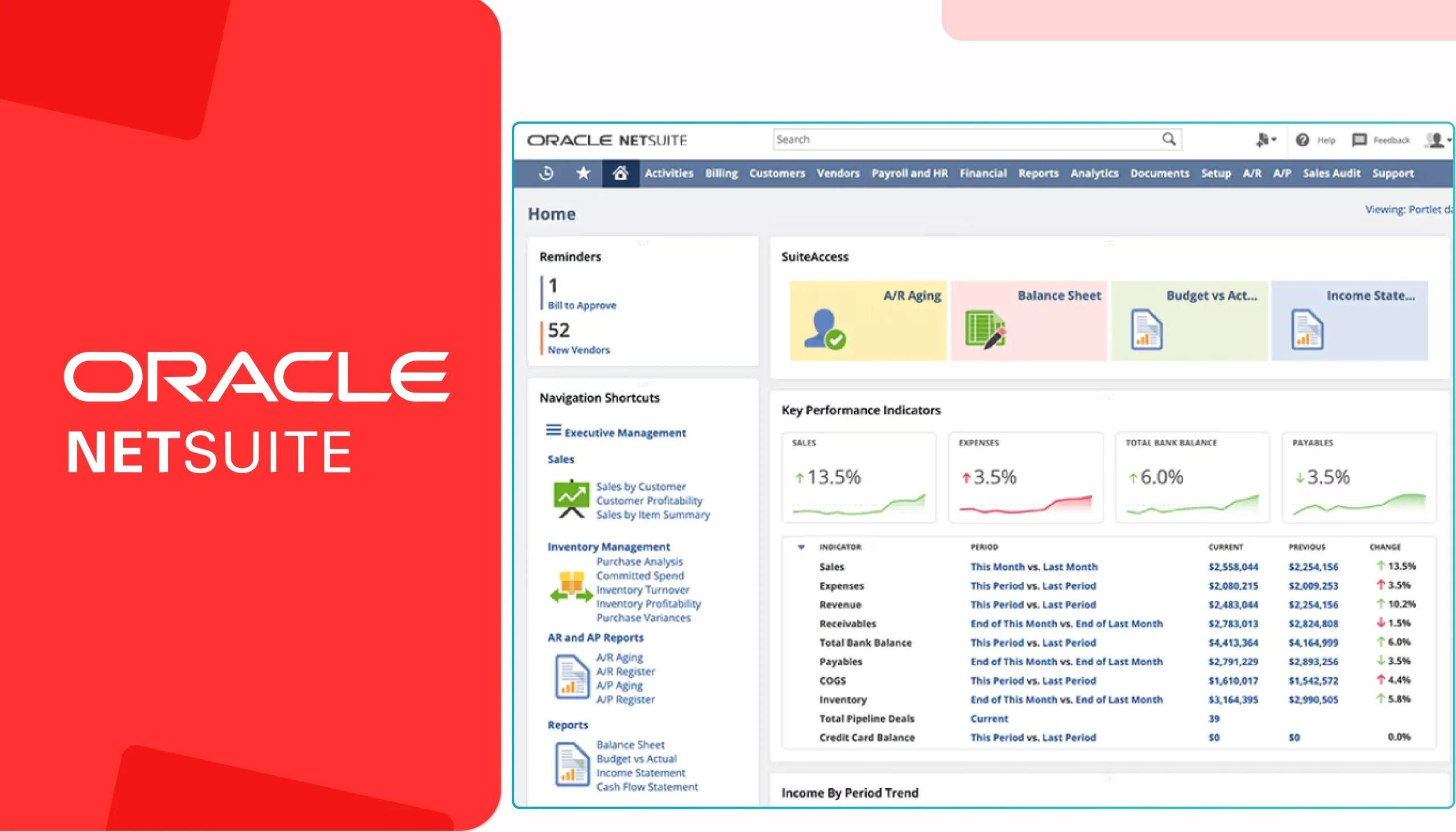
Oracle NetSuite is one of the most widely used cloud-based ERP solutions in the world and has frequently ranked #1 in charts across sectors, including apparel and retail.
Ideal for: Large brands & global retail operations
Where it shines: Multientity finance, inventory, omnichannel sales, global compliance
Its best feature:
- All-in-one cloud platform including finance, inventory, sales, purchasing, and CRM.
- Excellent integration with e-commerce and multi-currency capabilities.
- Scales efficiently as businesses grow.
Key Features
- Unified cloud ERP
- CRM with inventory, order , and financial management
- Multi-currency and multi-subsidiary support
- Strong retail & wholesale integrations
Why choose NetSuite in 2026?
With NetSuite’s omni-channel POS system also available online, brands that operate in global markets with both wholesale and D2C business models will find their ideal solution in its scalable platform.
3. AIMS360 Apparel ERP
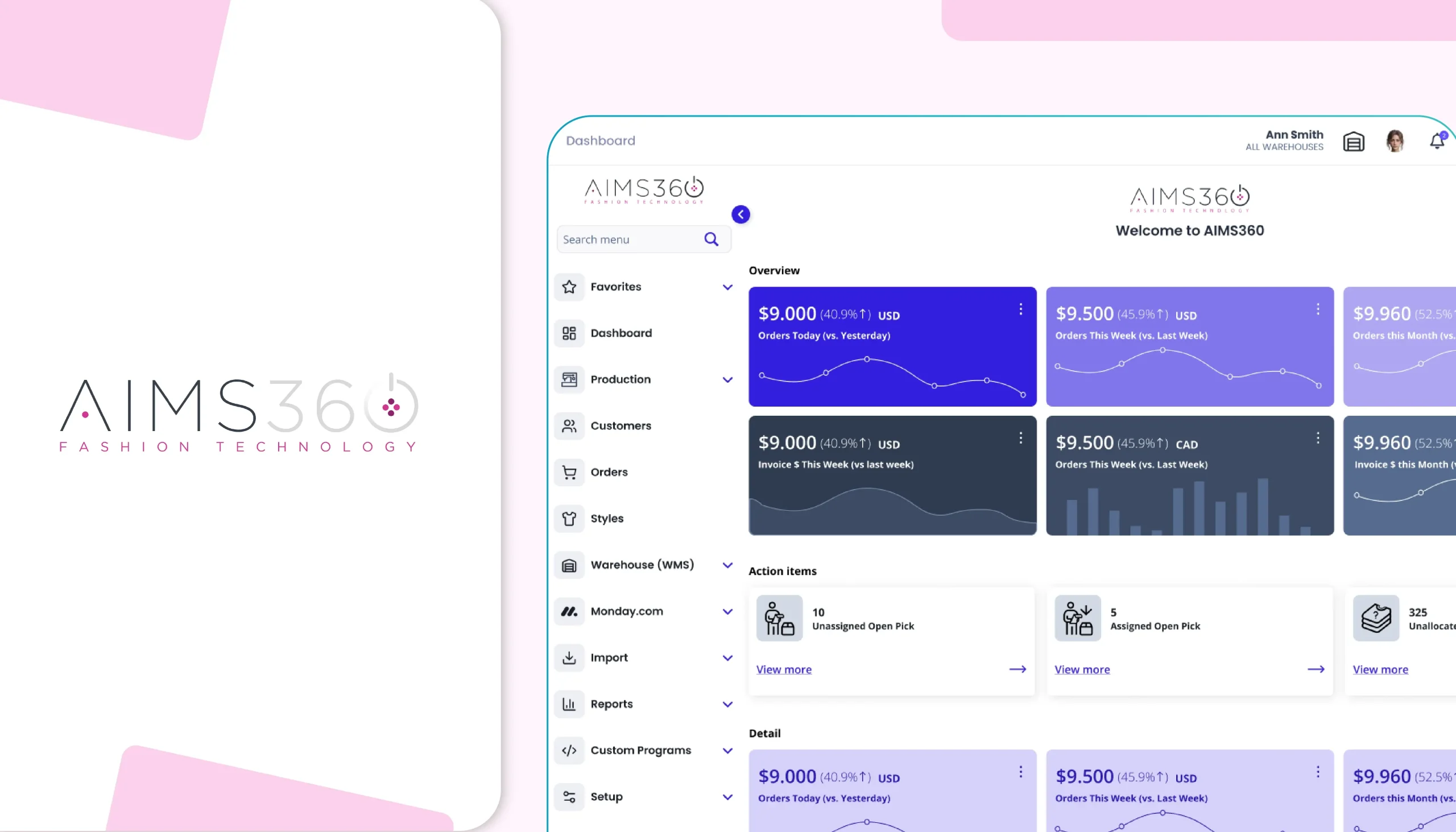
Ideal for: Fashion brands & SMBs in need of a fashion-specific ERP
Tailored for apparel, accessories, and footwear businesses, AIMS360 includes features such as fashion-forward style/color/size inventory management, barcode scanning at every stage of the production process, and single-click customer integration with popular e-commerce and EDI systems.
Top Features
- Real-time inventory by size/color matrix
- 3PL, EDI & marketplace integrations
- Automated workflows for orders, production, and shipping
Why It’s Unique
While AIMS360 is explicitly designed for the complex SKU structures in the fashion industry and for trends moving faster than ever, other ERPs (Enterprise Resource Planning) systems are not.
4. Microsoft Dynamics 365 Business Central
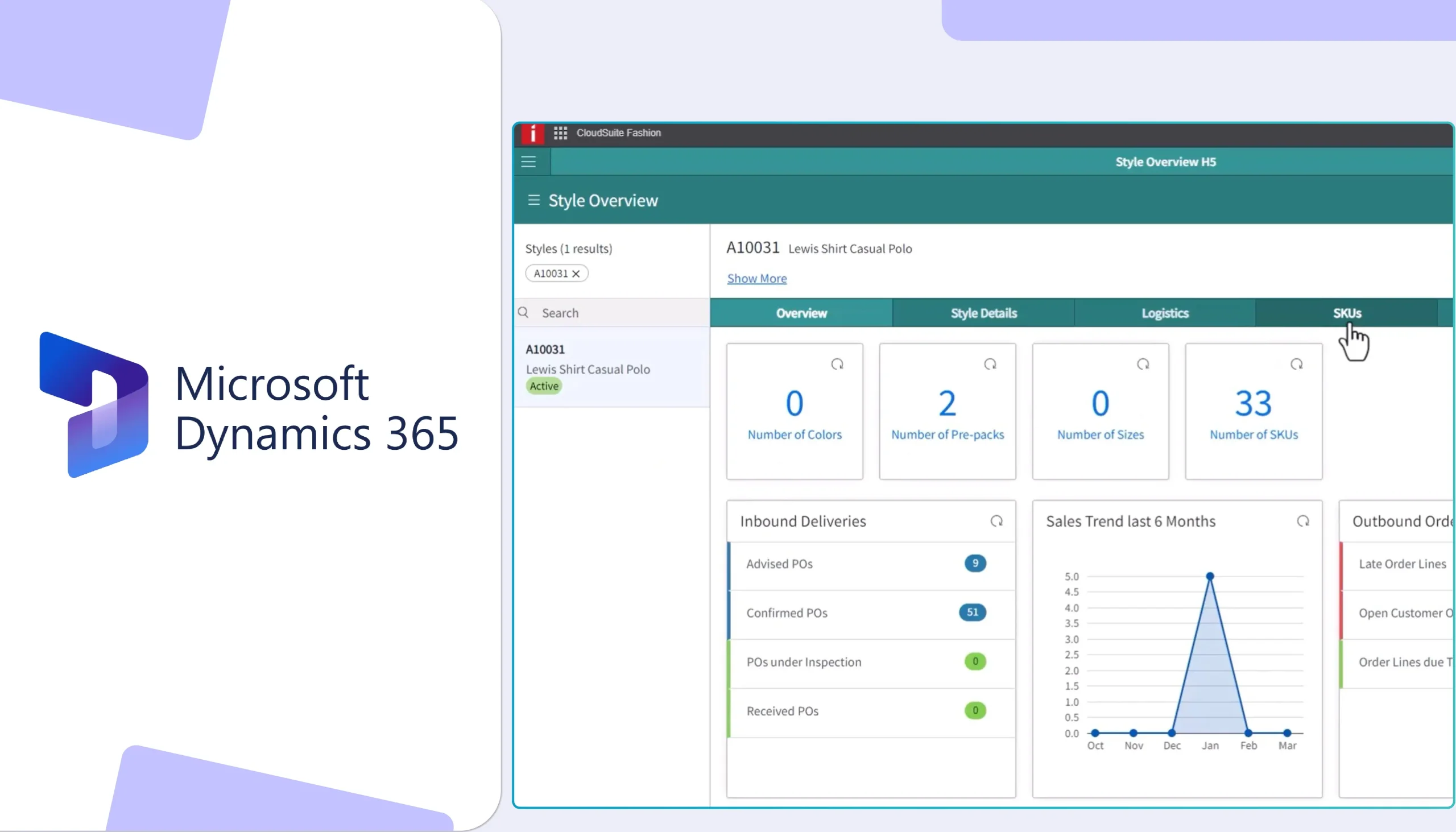
Ideal for: Mid-size brand & Microsoft ecosystem users
Dynamics 365 Business Central – Designed to enhance traditional Enterprise Resource Planning (ERP) for small- to medium-sized businesses, particularly those seeking advanced analytics and AI-powered forecasting. It’s particularly robust for organizations that already use Microsoft applications such as Excel, Power BI, and Teams.
Highlights
- Seamless Microsoft integration
- Live inventory and supply chain monitoring
- Advanced analytics & trend forecasting
Why Apparel Businesses Love It
Great for companies with other Microsoft tools, having a unified surface where everything comes together. Highly configurable with industry-specific templates, it helps brands scale while keeping costs consistent. The bad: novice users won’t use it.
5. Infor CloudSuite Fashion
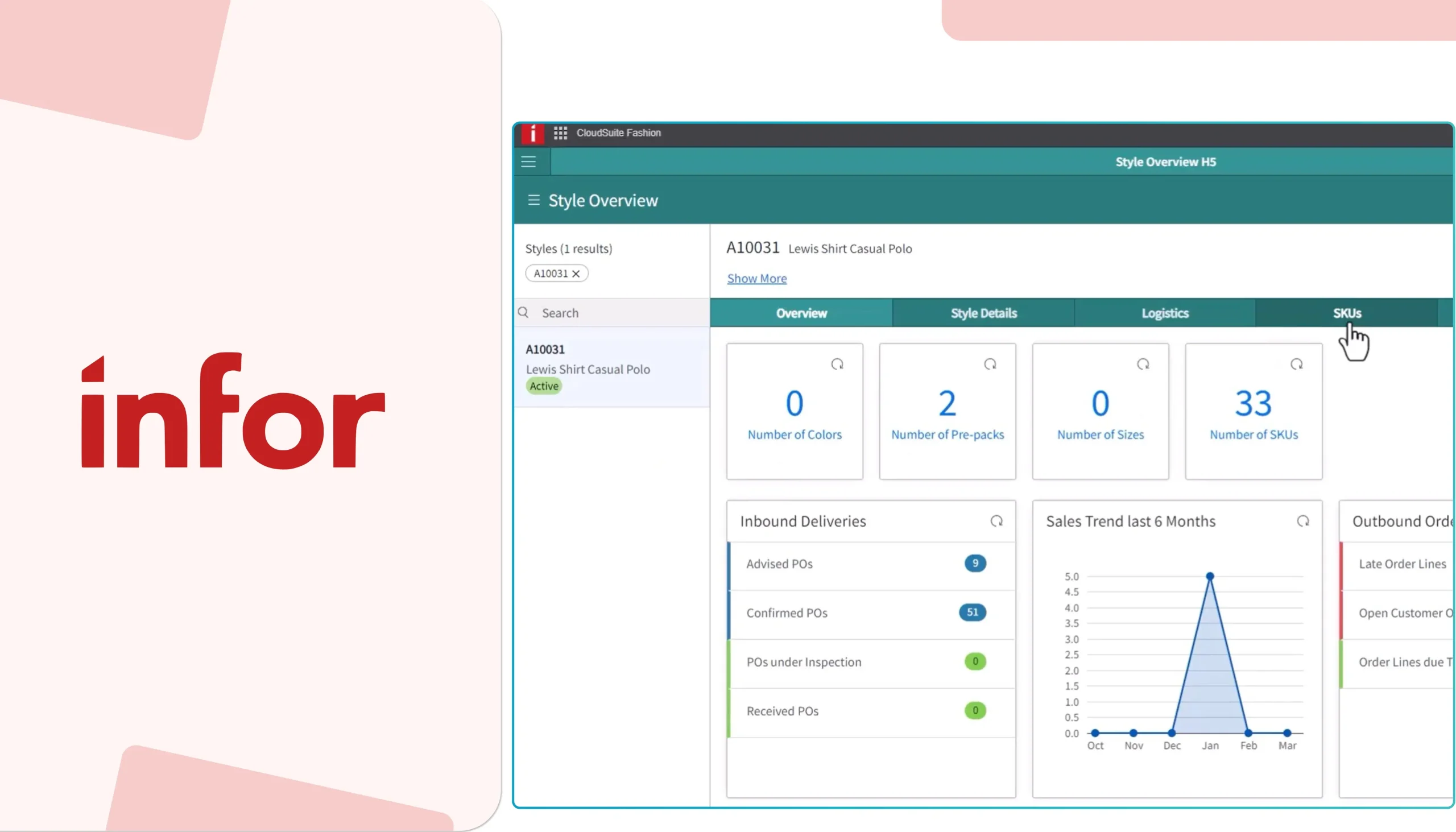
Ideal for: Big corporates and complex supply chains
Infor CloudSuite Fashion is pre-configured with industry-specific templates that help resolve common issues, including assortment planning, pre-pack management, and real-time supplier visibility.
Core Advantages
- Deep supply chain analytics
- Sustainability & circular fashion support
- Collaboration portals for global suppliers
Why It Stands Out
It’s built for data-rich brands and multi-region operations.
6. SAP S/4HANA
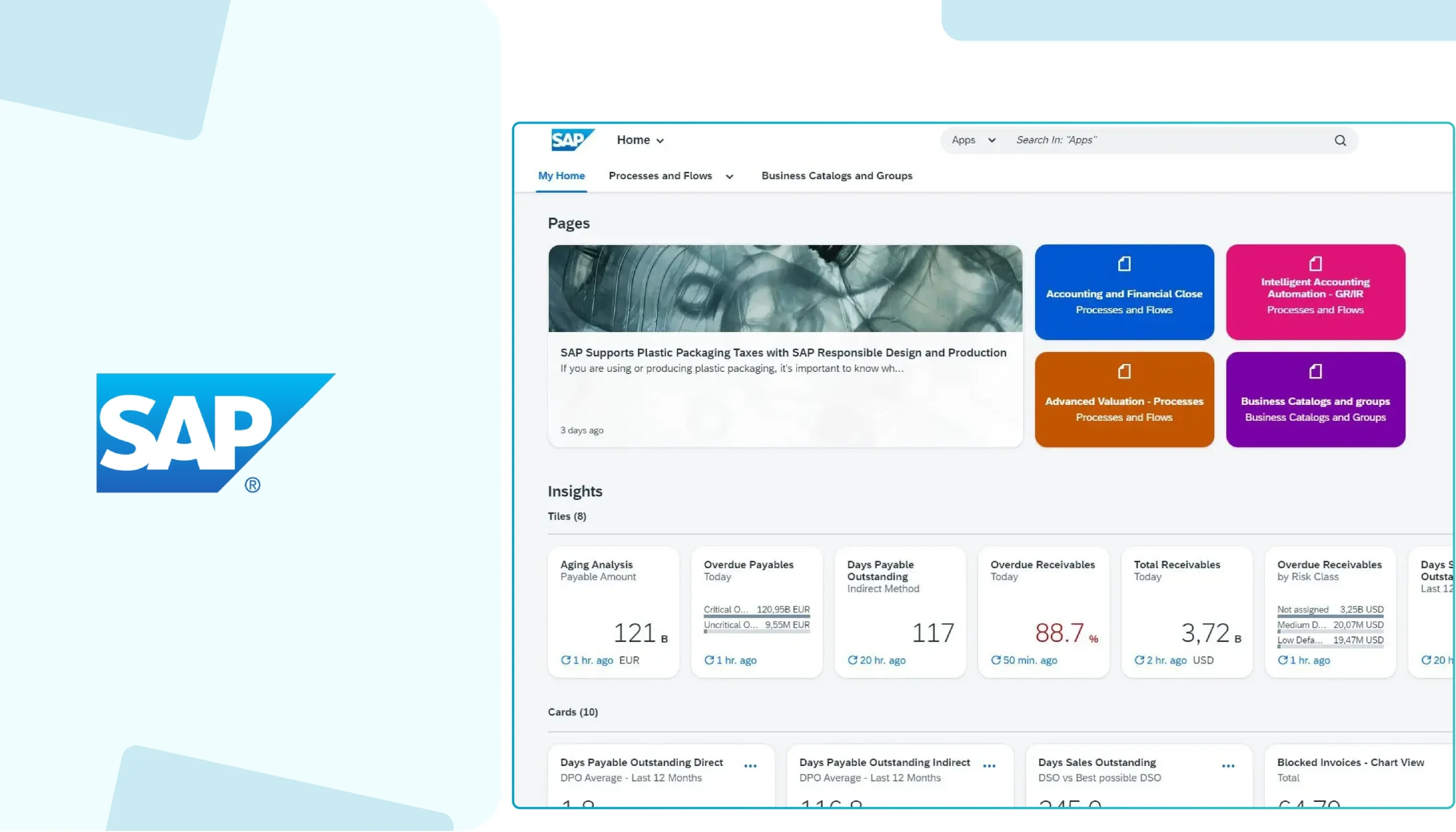
Best for: Global ERP solutions for enterprises
SAP’s most powerful ERP solution for the fashion industry, from design to planning, provides a strong foundation in financial planning, inventory tracking, and operations, with specialized modules. Ideal for Apparel brands functioning at a scale.
Features
- Unification of retail and wholesale sales channels
- Rich and powerful analytics using SAP Fiori dashboards
- Support for global compliance
Why It’s Enterprise-Grade
SAP S/4HANA is particularly strong in complex, multi-subsidiary environments, making it a good fit for multinational brands.
7. Sage X3
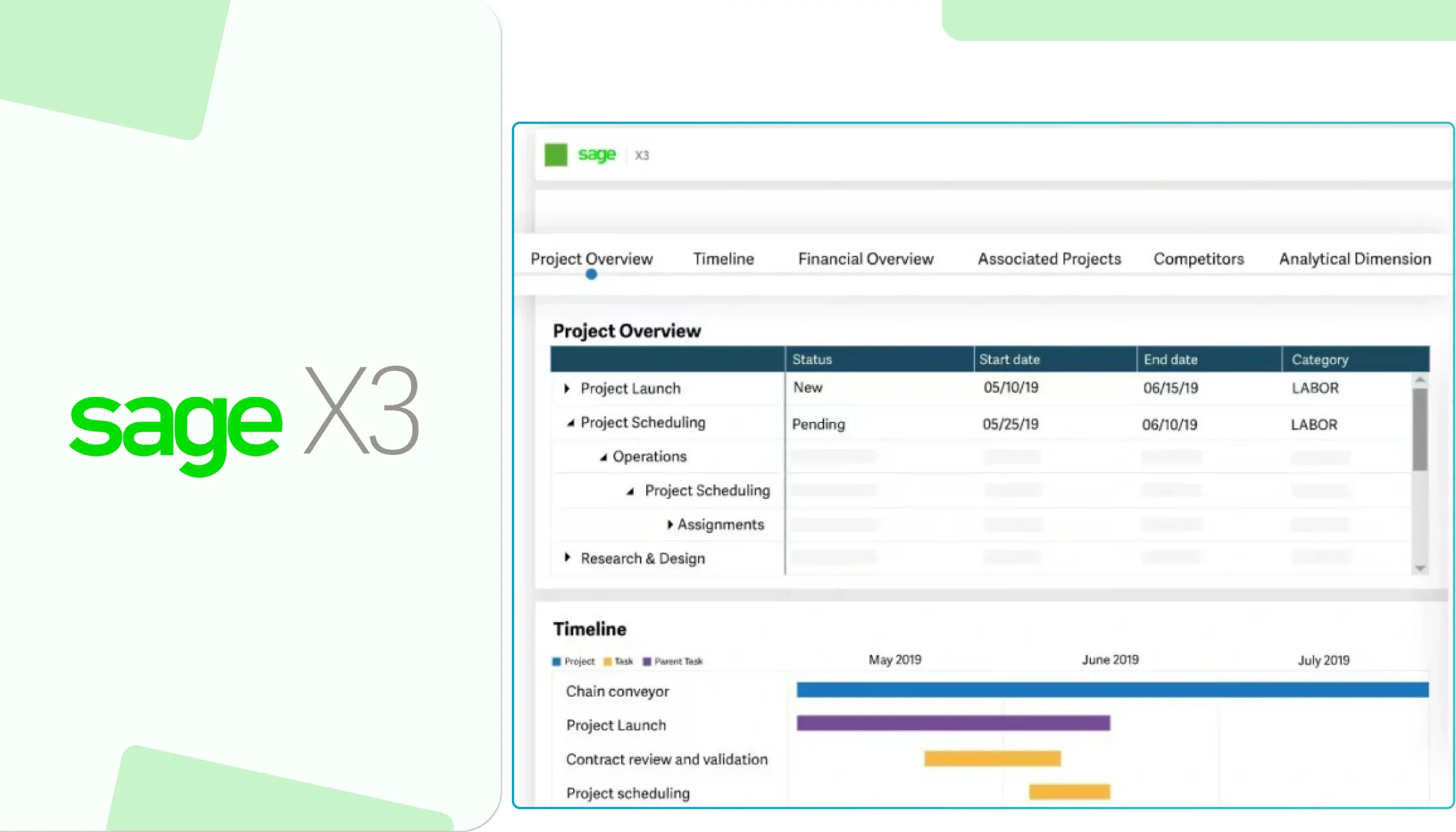
Ideal for: Medium- to large-sized businesses with a global footprint.
Sage X3 is a web-based ERP software for manufacturing and distribution businesses. It keeps track of both internal resources and externally deployed resources. In other words, Sage X3 provides integrated functionality to cover all business processes.
Core Features
- Multisite operational control
- Substantial inventory & order management
- Customizable dashboards
Why It Works for Apparel
It assists apparel brands in managing operations across multiple countries through process compliance.
8. Odoo
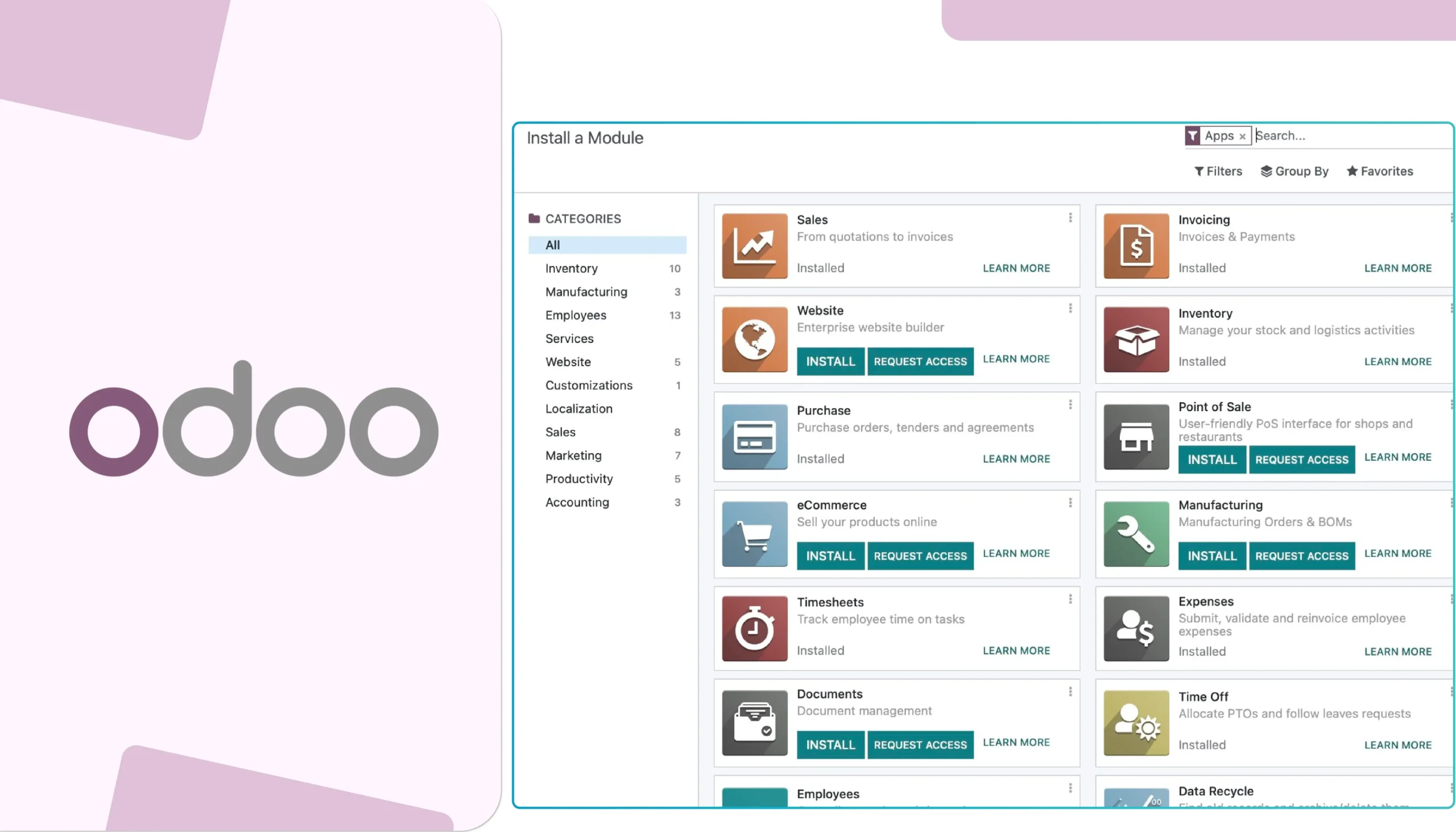
Best for: Small brands & startups
Odoo is a modular, budget-friendly ERP that provides inventory, POS, E-commerce, and CRM functionalities, making it attractive to early-stage businesses in the garment industry.
Features
- Pricing modularly (start tiny, then grow big)
- Accounts, inventories, and websites all in one.
- Open customization
Why Small Brands Love It
It is low-cost, modular (get what you need), with a perfect modern look, especially great for startups that don’t have much legacy to deal with.