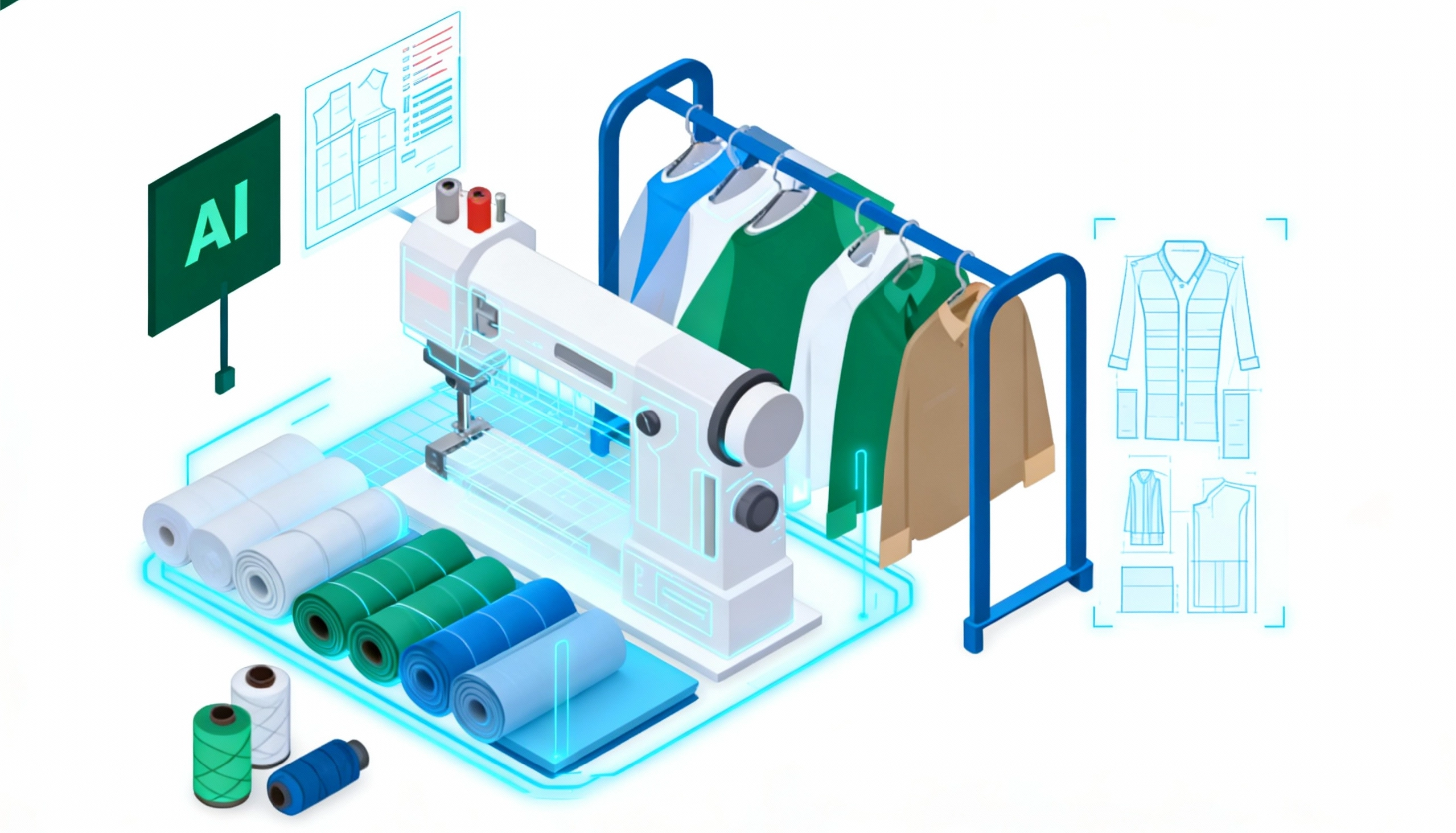
Discover how AI-powered decision intelligence is transforming fashion and apparel businesses worldwide Learn more

How AI Is Helping the Fashion Industry Reduce Fabric Waste

7 mins read • 16th, Dec 2025

Introduction

Fashion and apparel are one of the most creative industries in the world. But there is a bad side to this beauty. It generates a massive amount of waste. In particular, fabric waste is an enormous issue. It harms the environment. Moreover, it damages the profits of the apparel firms.

To give you the idea of how great this problem is, consider the following fact. Approximately close to 60 billion square meters of fabric waste annually. It is a huge chunk of valuable material that is just discarded.

But AI has emerged as a new hope, thankfully. AI is helping corporations use materials more efficiently. Therefore, it helps them minimize waste. New Technologies are changing fashion with smarter design, more precise production planning, and the management of every meter of fabric.

Understanding Fabric Waste in the Fashion Supply Chain

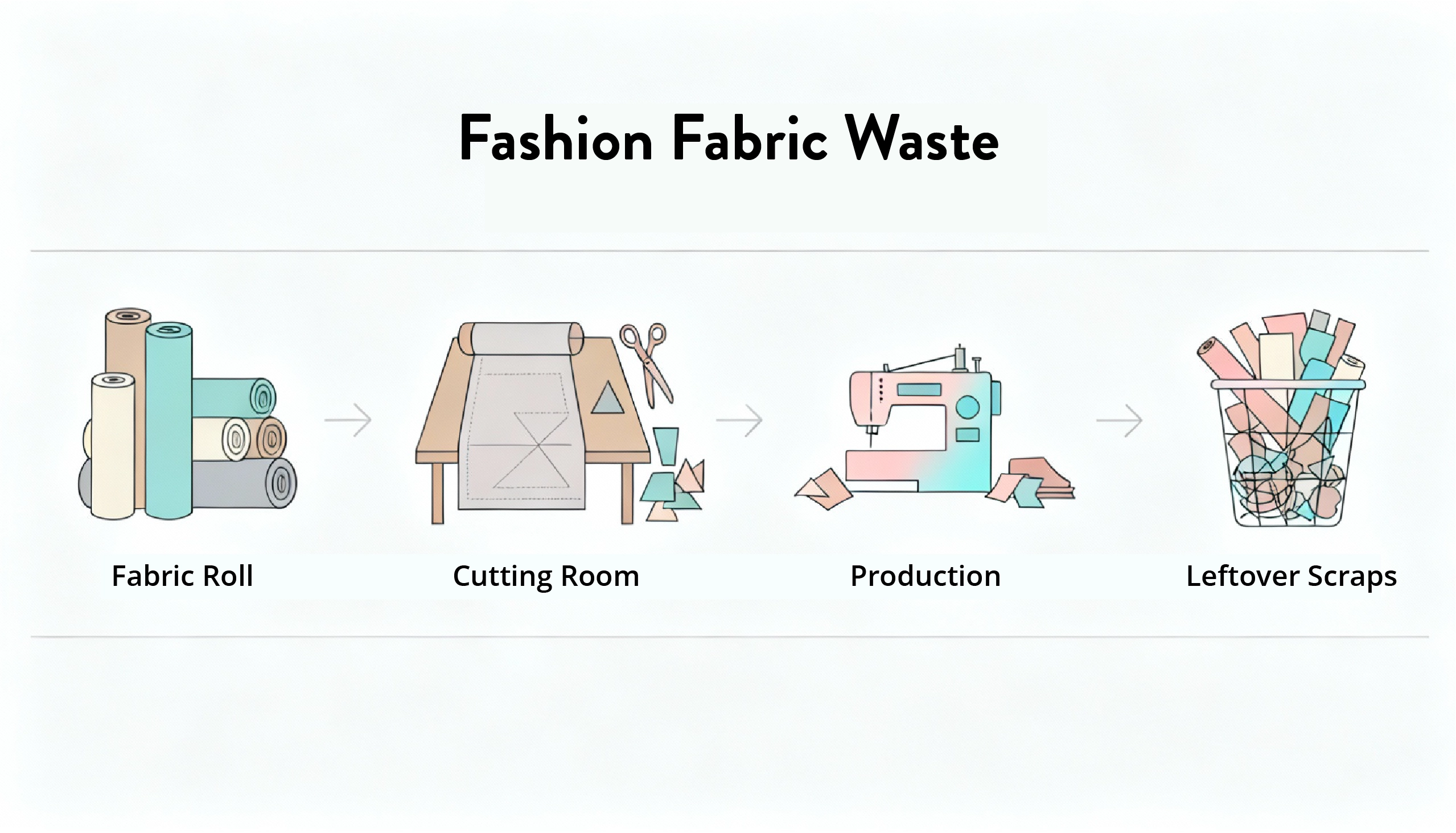
Fashion Fabric Waste

Fabric waste occurs at several stages of the production process. By knowing where the waste happens, companies can make smarter moves and save money while reducing their environmental impact.

Pre-Consumer Waste
• Common Causes: Offcuts and scraps from cutting, overstock, defective items
• Impact: Lost money on unused fabrics; production inefficiencies

Post-Consumer Waste
• Common Causes: Clothes are thrown away after only a few uses, unsellable returns pile up in warehouses, and stores aren’t recycling their stock
• Impact: Building up in landfills and polluting the environment with microplastics, short garment life

Supply Chain Waste
• Common Causes: Packaging materials, water, and chemicals use, high energy consumption
• Impact: Carbon emissions, hidden environmental damage, and pollution

Sources of Fabric Waste

There are several main reasons why fabric gets wasted:

  • Overproduction & Forecasting Errors: More garments made than needed

  • Inefficient Cutting & Pattern Layouts: Poor fabric utilization during cutting

  • Sampling & Design Iterations: Multiple prototypes for design testing

  • Quality Issues & Excess Inventory: Defective or unsold items

The Impact of Waste

This waste causes serious problems. Specifically, it has two main effects:

  • Economic Loss: Manufacturers lose a lot of money when they buy fabric that they do not use or sell.

  • Environmental Footprint: Turning fabric into waste also means turning the water and energy used to make it into waste. Plus, it increases carbon emissions.

Therefore, there is a strong need for a digital transformation. Fashion brands need smarter decision-making to stop this waste.

How AI is Transforming Fabric Waste Reduction in the Fashion Industry?

AI Transforming the Fashion

The fashion industry has begun to adopt AI not only for efficiency but also for sustainability. By infusing artificial intelligence around design, planning, and production, brands can better utilize fabric and spend less on things they don’t need. 

Let’s explore how AI is making a real difference across the fashion supply chain.

AI-Powered Design Optimization

The patterns were previously created using manual computation and trial and error, which left fabric behind. Now, thanks to AI-based tools, the design process is simpler for designers. They can make better choices right from the start. Designers using AI-based PLM systems, such as WFX Fashion PLM, see fewer sampling iterations and less fabric waste. 

Here is how it works:

  • Pattern Layout Optimization: It enables designers to create layouts that use fabric efficiently automatically. Thus, there is less leftover fabric and lower material cost.
  • Predictive Fabric Usage: It suggests the best fabric width and how much to use for each design, so you plan better and waste less.
  • Generative Design: AI tries out different design variations using minimal fabric. You will have the style you want while cutting scrap.

Smart Forecasting and Demand Planning

One of the largest sources of fabric waste is overproduction. AI assists brands in studying past sales, trends, and demand in specific regions to avoid excessive production of clothes. It aids the fashion and apparel sector in reducing waste and storage expenses.

Several artificial intelligence tools, such as ERP (Enterprise Resource Planning) and PPC (Production Planning and Control), are also used to enable brands to change the procurement and production schedules in real time. It entirely depends on the actual demand fluctuations or market trends.

Even an average-sized apparel company based on an AI-driven planning system has minimized the remaining fabric rolls by 15%. It emphasizes that smart forecasting may also lead to practical savings and sustainability.

Sampling and Virtual Prototyping 

Designers using 3D sampling have the ability to design a virtual prototype that will give an idea of how the garment is going to be, how it fits, and how it will behave, giving a true preview of the garment before it is actually made. It reduces the need for making multiple samples.

Even AI-enabled PLM systems integrated with 3D design platforms help designers manage the entire virtual sampling process from design iterations to production planning within one streamlined workflow. It results in:

  • Faster approvals and shorter development cycles.
  • Less material wastage.
  • Reduced environmental impact through fewer physical samples.

Production Planning and Fabric Cutting 

Platforms like WFX Smart Factory or AI Planner make production planning and fabric cutting work together smoothly. By using AI for production planning and smart cutting machines, brands ensure the right fabric is used for each garment. This lowers waste, cuts leftovers, and speeds up the workflow. Also, it leads to:

  • Optimized fabric use and cutting efficiency.
  • Fewer material scraps and lower production costs.
  • Smarter and faster production decisions.

Predictive Quality Control and Defect Detection

Fabric defects go unnoticed until late in the production phase. It creates unnecessary waste. AI helps spot issues immediately. Thus, brands using AI-powered systems can discover problems sooner and cut down material waste.

  • AI-Powered Cameras
    How It Works: Scan fabric for defects in real time
    Benefit: Reduces rejected materials

  • Machine Learning
    How It Works: Learns patterns of defects to improve inspection
    Benefit: Fewer reworks, less waste

  • Integration
    How It Works: Works with Manufacturing Execution Systems (MES)
    Benefit: Feedback loops improve supplier quality

Sustainable Sourcing and Circularity 

AI helps brands plan smarter and reduce their environmental impact. It proposes the use of green materials and considers the sustainability measures of suppliers to make responsible sourcing choices. The tools work with the production data and predict possible deadstock. Additionally, AI-based traceability solutions allow brands to trace leftover materials through various levels of the supply chain. In this way, brands can reuse or repurpose any remaining fabrics prior to their disposal. Some AI traceability systems even have a perfect view of how the fabric goes through the supply chain, making reuse and resale easier.

Real-World Examples of AI Reducing Fabric Waste

This isn’t just theoretical. Real companies are doing this right now.

Brands in Action

Many famous brands and manufacturers are adopting AI. For example, companies like H&M and Levi’s are using these tools. Additionally, many WFX customer stories show success.

Measurable Results

The results are easy to measure and very impressive:

  • Sampling Waste: Brands have seen a 30% reduction in sampling fabric waste.

  • Fabric Utilization: There has been a 20% improvement in fabric utilization efficiency.

Reducing Data Errors

Another specific example is the AI Techpack Reader. A techpack is a file with instructions for making clothes. If there are errors in the data, materials get misallocated. The AI Techpack Reader minimizes these data errors.

The Bigger Picture: AI and Sustainable Fashion Goals

AI and Sustainable Fashion

Eliminating waste is part of a far larger goal. The entire world is figuring out how to be more sustainable.

  • Global Goals: AI waste reduction technology aligns with global sustainability goals. For example, it contributes to Goal 12, for Responsible Consumption and Production.

  • Reporting and Transparency: Companies also have to be forthright about what they are doing.

    • ESG Reporting: There is a huge role that AI plays in ESG reporting and transparency.

    • Certifications: Frameworks for sustainability certifications, such as GOTS and ZDHC framing.

Conclusion

Smarter fashion starts with smarter tech. So there you have it. AI is used to aid retailers in offering a better shopping experience. It is helping the fashion business to waste less at every step. This is from design to delivery.

Brands that use this technology are doing something important. As the saying goes, “Brands investing in AI today are not just saving fabric but the future of fashion”.

Read Our Blogs

...
How AI-Fueled Decision Intelligence Is Reshaping the Fashion and Apparel Industry

Discover how AI decision intelligence reduces fabric waste, improves planning, and enhances fashion production.

Read More
...
How WFX AI Techpack Gives Apparel Manufacturers a Smarter & Faster Edge

WFX AI Techpack automates apparel data, reducing errors and speeding up production efficiency.

Read More
...
Why Early AI Adoption in Fashion Tech Is No Longer Optional

AI-driven fashion tech is redefining speed, sustainability, and smarter decisions globally.

Read More